






Adding mulch to a landscape might not sound like the most exciting part of gardening, but let me tell you, it is nothing short of magical for a community’s curb appeal and plant health. As an HOA board member or homeowner, you have probably noticed how a fresh layer of mulch can instantly make common areas look polished and inviting. But beneath that clean, unified appearance lies a powerhouse of practical benefits. From improving soil health and conserving water to even helping keep pests at bay, mulching is an important component of great landscaping.
What Is Mulch and Why Should You Care?
What exactly is mulch? In simple terms, mulch refers to any material, usually a layer spread on top of soil, that covers the ground around your plants. It can be organic, like wood chips, shredded bark, pine straw, or compost, or inorganic, like gravel, stones, or even rubber pieces. Mulch is a protective blanket for your soil. It snuggles the earth, providing comfort and protection.
Why should you care about this layer of wood chips or stones? Because mulch is a multitasking miracle worker in the garden. It does not just sit there looking pretty, although it definitely does add a finished, uniform look to plant beds. Mulch actively works behind the scenes to make life easier for both plants and people. Here are a few reasons mulch matters:
Moisture Manager
Mulch helps soil retain water by reducing evaporation like a natural sponge that holds onto rainwater and irrigation longer, giving plant roots a chance to drink deeply. If you live in a hot climate like South Florida or are trying to conserve water, this is huge. In fact, mulched soil stays noticeably more damp beneath the surface, meaning you will not need to water as often, saving you time and lowering the community water bill.
Weed Suppressor
Ever notice how weeds have a harder time popping up through a thick layer of mulch? That is no coincidence. Mulch acts as a barrier, blocking sunlight from reaching weed seeds and stifling their growth. Fewer weeds mean less time spent on tedious yard work and fewer chemicals needed to keep those unwelcome sprouts at bay.
Soil Protector
The sun can bake exposed soil into a hard crust, and heavy rains can wash it away. Mulch shields the soil from the elements, preventing erosion and soil compaction. It keeps the earth soft and alive underneath, full of the worms and microbes that keep a landscape healthy. Plus, people and, most importantly, pets, are less likely to roam around on mulched areas, which also helps reduce soil compaction.
Nutrient Booster in Organic Mulches
As organic mulches break down over time, they become a nourishing compost for your soil. It is a slow-release fertilizer delivered right where the plants need it. Those fallen leaves and shredded bark bits are basically vitamins for your garden, feeding the next generation of blooms and blossoms.
Curb Appeal, Community Beauty, and Home Value
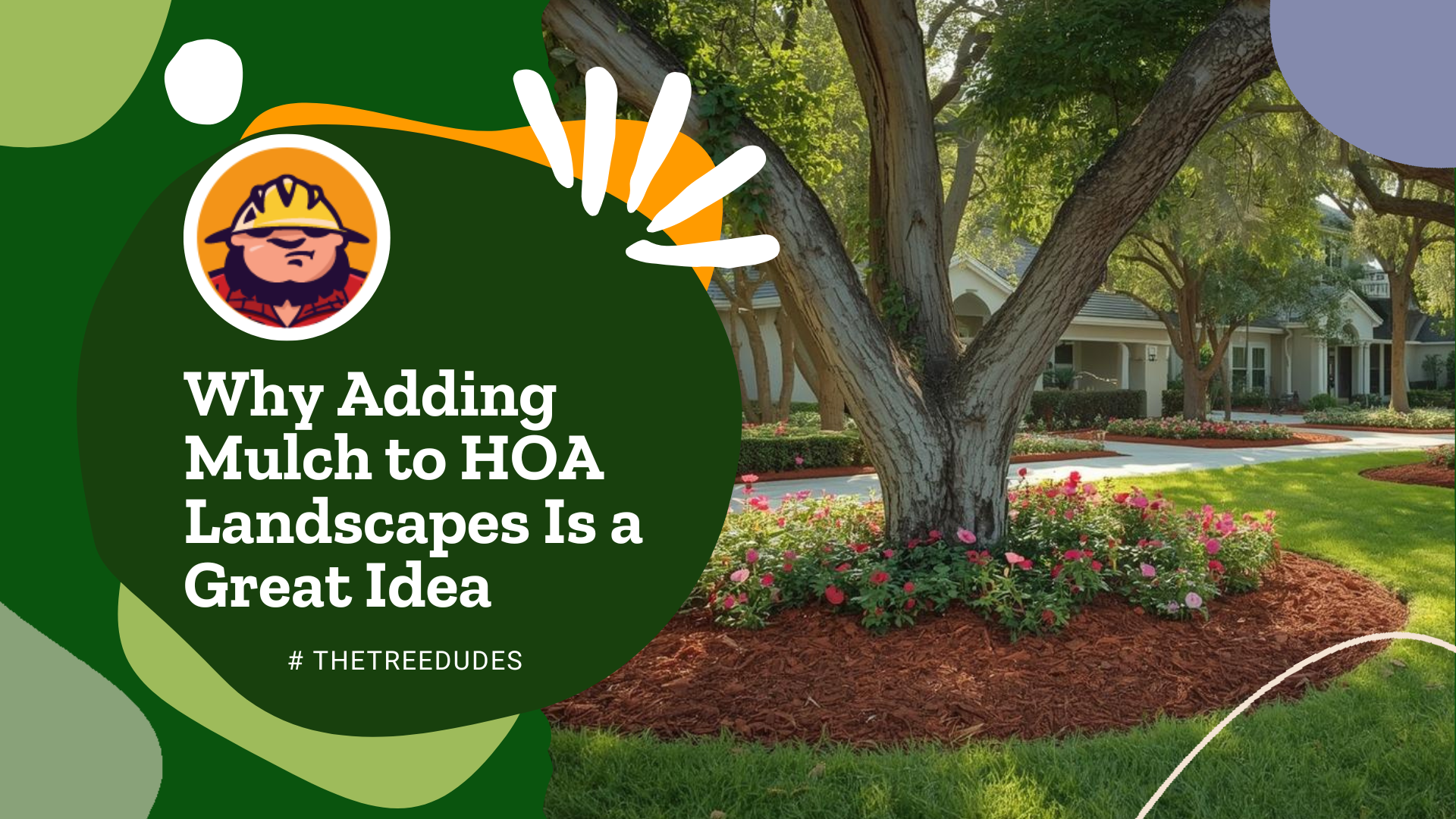
We all know that feeling when you drive into a neighborhood, and everything just looks on point: the lawns are tidy, the flower beds are defined with crisp edges, and there is that rich, dark mulch making all the green plants and colorful flowers stand out. It gives you a little thrill of pride if it is your neighborhood. Mulch plays a starring role in that picture-perfect curb appeal every HOA yearns for.
For HOAs, consistent use of mulch in common areas ties the whole community together visually. An unmulched bed has patchy soil, some weeds, maybe it just looks a bit neglected. Now picture that same bed after a fresh mulching: suddenly it is uniform in color and texture, the plants look intentionally placed, and the area exudes a cared-for vibe. Mulch has this almost magical ability to make landscapes look professional and well-maintained with relatively little effort.
Polished and Inviting
A rich brown, or black, or reddish, depending on your mulch color, carpet around shrubs and trees creates a beautiful contrast that draws the eye. In HOA common areas, be it the entrance sign, flowerbeds, the clubhouse grounds, or around playgrounds and walkways, mulch makes everything look more organized and welcoming. Residents and visitors subconsciously take note. They see that the community cares about the details. And when the common areas shine, individual homeowners feel a sense of pride, and maybe motivation to keep their own yards looking great too, to match the standard.
There is also a psychological benefit: a mulched garden bed just invites you to relax. It signals that the space is cared for, which in turn makes people more likely to take a stroll, enjoy the outdoors, or trust that the HOA is doing its job. If you have ever strolled by a messy lot packed with weeds, you probably rushed past it. But walking by a clean, mulched garden might encourage you to slow down and admire the greenery. In a community setting, that means more socializing, more enjoyment of shared spaces, and a stronger sense of community pride.
HOAs aiming to create beautiful common areas, mulch is a secret weapon. It is relatively inexpensive but delivers an outsized impact. Now, aesthetic appeal is wonderful, but let’s not forget the other side of the coin: mulch’s very real practical benefits for the environment and for those tending the landscaping.
Mulch as Nature’s Water Saver
Water, the elixir of life for plants, can be a double-edged sword in landscaping. You want your plants to get enough, but not too much, and certainly you do not want to waste it. Enter mulch, your garden’s best friend when it comes to water management.
One of the less glamorous but most impactful things mulch does is help soil hold onto moisture. The soil acts like a sponge: if you leave it out under the hot sun bare-naked, it dries out quickly, right? But cover that sponge with a protective layer, and suddenly the water does not disappear so fast. That is exactly what mulch does for the ground. By covering the soil, mulch dramatically cuts down on evaporation. The sun’s rays are unable to hit the soil directly and snatch away all that precious H2O. Instead, the water stays in the ground longer, available for your plant roots to sip on for days instead of hours.
Less Frequent Watering
Both you and your HOA’s irrigation system get a break. With mulched beds, you might find you can water less often, yet your plants will not complain. They are not as thirsty because their “drink” is not evaporating into thin air. We are keeping things appropriately moist down there. In the heat of summer, this can reduce stress on plants and conserve a significant amount of water over time.
Lower Water Bills
If you are on a metered water system, using less water is literally saving money. For an HOA managing dozens of common area plantings, that is a budget-friendly move. Mulch is basically a one-time, or once-a-year at the very most, investment that pays you back by cutting down utility costs.
Healthier Plants
Consistent moisture means plant roots can grow more deeply and robustly. Instead of roots clustering at the surface searching for any drop of water, mulched soil encourages them to go deeper, where moisture lingers. Deep roots make for sturdier, more drought-tolerant plants. So when that inevitable dry spell hits, your mulched garden will have a much easier time coping than unmulched areas.
Mulch can nearly double how fast trees and plants grow. That is wild! But makes sense when you think about it: if a plant is not struggling for water or competing with a bunch of weeds, it can put its energy into growing big and beautiful. While mulch conserves moisture, it also prevents the nightmare of over-watering in a way. Mulch helps moderate that by soaking up excess water and releasing it slowly.
To really get the most out of mulch’s moisture-saving superpower, you may want to choose the right kind of mulch and apply it correctly. A thick enough layer, usually about 2 to 4 inches, is important. Too thin and you will not get the full benefit, too thick and you might create other problems. And certain mulches like wood chips and shredded bark are champs at holding water without getting soggy themselves, whereas something like gravel will let water through but still shade the soil from the sun.
How Mulch Keeps Unwanted Plants in Check
If you have ever spent a weekend begrudgingly pulling weeds from a playground area or around your mailbox, you will love this benefit of mulch: it is one of the most effective natural weed suppressants out there. No, mulch does not magically eliminate every weed, but it makes a huge difference in reducing how many pop up and how vigorously they grow.
Blocking Sunlight
Most weed seeds need light to germinate. When you cover the soil with a thick layer of mulch, you create a sun-blocking shield. Those weed seeds buried in the soil can not see the light of day, literally. Without sunlight, many give up on sprouting. Fewer sprouts mean fewer pesky green invaders for you to pull later.
Smothering Seedlings
Some particularly stubborn weeds might germinate anyway, or blow in on the wind, landing atop your mulch. But even then, they have a tougher road. Trying to push through a few inches of mulch is not easy for a tender little shoot. Often, they will fizzle out before ever reaching the surface. Even if they do make it through, they tend to be weak and leggy, easy to pluck out in a second, whereas weeds in open soil seem to anchor themselves like they pay rent there.
Maintaining Soil Softness
Mulched soil stays looser and more workable than bare soil, which can get crusty. So on the happy occasion you do spot a weed, it is usually simpler to yank out, root and all, from a mulched bed. For an HOA, the weed-fighting prowess of mulch is a godsend. It means the landscaping crew spends far less time on their knees and more time enjoying the fruits, or rather flowers, of their labor. It also means less need for herbicide chemicals.
Nothing ruins the look of a nice flower bed faster than a bunch of crabgrass or dandelions poking out. With mulch covering the ground, any rogue green invaders are immediately obvious and isolated, ready to be nipped in the bud. It keeps the focus on the plants you want people to see, rather than the ones you do not.
Temperature Control and Soil Health
When it comes to keeping plants happy, protecting their roots is critical. After all, roots are how plants drink, eat, and anchor themselves in place. If the roots are stressed, the whole plant is unhappy. Mulch, wonderfully, is like a guardian angel for plant roots. Soil, if left bare, can heat up or cool down a lot more drastically and quickly than mulched soil. On a hot summer day, bare soil might become so hot that you would not want to touch it. That heat can damage fine root hairs near the surface and make the deeper soil uncomfortably warm for plants that prefer cooler “feet.”
Now, consider the physical protection. Ever planted a little shrub or some perennials, only to have a wild rainstorm hit and wash away the soil, leaving roots exposed or topsoil gone? It is heart-wrenching and annoying. Mulch dramatically reduces soil erosion by softening the impact of rain. Instead of pounding directly on the soil and causing splash erosion, raindrops hit the mulch first. The force is absorbed and dispersed. The water then gently seeps into the soil rather than running off, taking soil with it.
Mulch also helps prevent soil compaction. This sounds technical, but imagine people constantly walking over a patch of bare soil: it gets hard and compacted like a dirt road. Compacted soil is not great for plants since it makes it hard for their roots to grow and does not hold water or air well. In public spaces, foot traffic can not always be avoided. Mulch is springy and cushioned, so it protects the soil beneath from getting squished down as easily. In fact, by covering areas with mulch, you subtly guide people to stick to paths. Nobody wants to slog through thick mulch when they can just stroll on a nice, clear path.
If you use organic mulch, like wood chips, bark, or leaves, over time that mulch will break down and become part of the soil itself. Far from being a bad thing, this decomposition is awesome for soil health. It is basically adding organic matter, which improves soil structure, increases nutrient content, and supports beneficial organisms. Earthworms love gardens that have mulch, and they will come up to munch on the decaying stuff. This means your plants get slow-release nutrients without you having to dump synthetic fertilizer all the time.
Mulch vs. Pests
It is hard to imagine that something as humble as wood chips could play a role in keeping ticks away, but it is true. The right kind of mulch in the right place can help protect your family and beloved pets from these unwanted little bloodsuckers. If you are not a fan of bugs, spreading mulch is a total win! You will feel good about tossing those chips around without worrying about creepy crawlers.
So, how does mulch help with ticks? There are two main ways: through natural oils, in the case of cedar mulch, and through creating a dry barrier that ticks will not want to cross.
Cedar Mulch
Cedar is a type of wood that contains aromatic oils. You know that lovely cedar scent? Turns out, ticks hate it. Cedarwood oil has been used as a natural insect repellent for ages. It has been found that ticks are repelled by cedar oil. They will often avoid areas that smell like cedar. In fact, cedar oil does not just annoy ticks. It can actually be lethal to them in some cases by causing them to dry out and messing with their bodily functions.
It is important to set realistic expectations: you can not just mulch your yard and declare it a tick-free zone forever. The effectiveness of cedar mulch as a repellent can diminish over time. Rain, for example, can wash away some of those oils or reduce the scent potency. If cedar mulch gets soaked frequently, it might not be as potent in repelling ticks after a while. The cedar needs to stay relatively dry and retain its oils to do its anti-tick job well. Some people even refresh their cedar mulch or sprinkle cedar oil periodically to boost the effect, especially in tick-prone seasons.
The Dry Barrier Trick
Ticks, as it turns out, have a big Achilles’ heel: they need moisture to survive. These little arachnids quickly dehydrate in hot, dry conditions. That is why you typically find ticks in shady, damp leaf litter or tall grass, they are seeking a humid hideout. If they try to cross a zone that is dry and exposed, they are likely to dry out and die before getting far. Savvy gardeners and public health experts use this to their advantage by creating dry mulch or gravel barriers. By surrounding your lawn or play area with a three-foot-wide border of dry wood chips, gravel, or similar material, you essentially make a no-tick zone around the perimeter.
Many neighborhoods have walking trails, playgrounds near wooded spots, or backyards that transition into wild areas. By mulching these border areas and using cedar mulch for a double whammy effect, the HOA can reduce the chances of ticks migrating into the spaces where residents live and play.
Choosing What Mulch Is Best for Your HOA
Walk into a gardening store or browse a landscaping catalog, and you might be amazed by the variety of mulch options. Different colors, different materials, organic, inorganic, it is like a buffet. The good news is, there is really no wrong mulch, but there are certainly types that might suit your HOA’s needs better, depending on your goals, be it low maintenance, aesthetics, cost, or pest-repelling.
Organic Mulches
Examples: Shredded hardwood bark, pine bark nuggets, cedar chips, pine straw (pine needles), eucalyptus mulch, compost, even straw or shredded leaves.
These mulches have all the goodies we talked about: they improve soil as they break down, they generally look natural and blend well with plantings, and they are effective at moisture retention and weed suppression. Many organic mulches, especially wood-based ones, have a pleasant, woodsy smell. Who does not like that fresh forest aroma while walking the dog? They also come in a range of textures and colors. For instance, shredded hardwood often has a classic dark brown look that many HOAs love for that neat, uniform appearance. Pine bark nuggets are lighter and can give a different aesthetic, plus they last a bit longer since they are chunkier pieces. Pine straw is popular in some regions because it has a nice reddish-brown color and is lightweight to spread.
One star player here is cedar mulch. Cedar mulch tends to be a lovely reddish-tan color when fresh. It is also somewhat rot-resistant. Cedar wood naturally decays more slowly, which is why cedar fences last a long time, so cedar mulch can be a little slower to break down compared to something like plain hardwood, meaning you might not have to replace it as often.
For overall landscaping in HOA common areas, you can not go wrong with shredded hardwood or pine bark mulch. They look great and enrich the soil over time. Use cedar mulch in perimeter areas or near play zones where ticks and bugs are more of a worry, or if you simply love the scent and the vibe it gives. Pine straw is often used around acid-loving plants like azaleas or in a more woodland aesthetic, and it has a distinct look that some communities favor. Compost or finely shredded leaves can be fabulous in flower beds where you want maximum soil improvement.
Inorganic Mulches
Examples: Pea gravel, river rock, lava rock, crushed stone, marble chips, rubber mulch, usually made from recycled tires, and even landscape fabric covered with stone.
The big advantage of inorganic mulch is longevity and low maintenance. Rocks do not decompose. Once you put down a stone or gravel mulch, it is pretty much there to stay for years. This makes it appealing for HOAs that have areas they do not want to fuss with much. For example, if you have a parking lot border or an area around signage where there are no delicate plants, stones could be a durable choice. Another case is high-wind areas, as stones obviously will not blow away. In wildfire-prone regions, gravel or stone mulch around a building can be a wise fire-resistant zone. Rubber mulch is often used in playgrounds because it cushions falls and does not need yearly replacement.
Maintenance-wise, you might not replace rock mulch, but you will occasionally need to remove debris, like fallen leaves or straight-up trash from it, to keep it neat. And if you ever change your mind and want to remove stones, it is a labor-intensive job to collect them all. With rubber, sometimes the lighter pieces can scatter outside the intended area, and over many years, even rubber can break down into smaller bits that you might need to top up.
Stone or gravel mulch is ideal for decorative accents, rain gardens, or drainage areas, or around plants that thrive in heat, such as a rock garden with succulents or desert plants. This can deter insects near the building and provide a clean look. Rubber mulch is commonly used under playground equipment or in high-impact areas where extra cushioning and longevity are desired.
Timing, Techniques, and Tips
You have the mulch, now it is just a matter of letting yourself indulge in the transformation. Before you dump those bags, or that truckload, of mulch, here are some tips and tricks to ensure you get the maximum benefit and beauty:
Timing Is Everything
The classic times to mulch are in spring and fall. During spring mulching, you cover up the old, tired-looking mulch or bare spots, lock in moisture for the coming growing season, and give everything a tidy backdrop just as plants are starting to bloom. It is also great for preventing the onslaught of spring weeds. Fall mulching replaces any mulch that is broken down and provides insulation for plant roots. Many HOAs do spring mulching as a regular annual task. Some will also do a lighter fall mulching. One caution: do not mulch too early in spring. You want the soil to warm up a bit so your perennials and bulbs can get going.
Prep the Area First
Trust me, it is much more satisfying to mulch a clean, weed-free surface than to throw mulch over weeds and debris. So, do a quick tidy: pull or eradicate any existing weeds in the area, rake out any old mulch if it has built up too thickly. If last year’s mulch is still several inches deep and has not decomposed, you might remove some so you do not end up with a mulch layer that is too thick. Also, edge your beds if you can, creating a defined edge that not only looks crisp, but helps keep mulch from migrating into lawns or walkways. Taking the time to prep means your new mulch will look and perform its best.
Aim for the Correct Depth
We recommend around 2 to 4 inches of mulch, generally. Less than 2 inches might not give you full benefits. Weeds can still find light, and moisture might evaporate faster. More than 4 inches, and you risk issues like preventing water from reaching roots or inadvertently giving pests a hiding spot. Around 3 inches is the sweet spot for most purposes. If you are just refreshing an area that had mulch, 1–2 inches added on top might be sufficient to spruce it up, assuming there is still a base layer beneath.
Keep Clear of Trunks and Stems
Do not pile mulch against tree trunks or the base of shrubs. Leave a donut-like hole or gap right around the stem. Give the plant a little breathing room. This prevents rot, constant moisture against the bark can cause it to decay, and discourages insects from setting up camp right at the plant base. For trees, it is best to see the root flare, where the trunk widens at the base, exposed, not buried. For shrubs, leave a couple of inches of bare space around where the stems come out of the ground. It might look a bit fussy at first, but your plants will be much happier and healthier for it.
Embracing the Mulch for a More Beautiful Community
By now, you might be looking at that bare patch of soil in your neighborhood or your front yard and imagining it covered in a rich, lovely layer of mulch. And for good reason: adding mulch to homes and HOA common areas is one of the simplest yet most impactful improvements you can make to your landscape. It is not often that one action can boost visual appeal, improve plant health, conserve resources, and even help with pest control all at once, but mulch checks all those boxes.
If your HOA has not embraced mulching yet, or has not been doing it with much enthusiasm, now is a great time to start. Your plants will thank you, your neighbors will thank you, when their gardens start looking better because of the improved soil and fewer pests, and you might even find yourself enjoying those weekend walks around the neighborhood a bit more, with less worry about weeds or ticks hitching a ride.
Should you need any help or professional guidance in implementing a mulching plan for your community, do not hesitate to reach out to landscaping experts. In fact, we specialize in exactly this: helping homeowners’ associations elevate their green spaces through proper mulching and maintenance. You can check out our HOA mulching services to see how we take the guesswork and labor off your hands, ensuring every common area is mulched to perfection. Sometimes, having a pro handle the big mulching jobs means it gets done faster and with an expert eye for detail. You can also give us a call to receive mantillo de árbol reciclado just in exchange for a small tip for the crew.
Happy mulching, and here is to a more beautiful, blissfully low-maintenance neighborhood!