






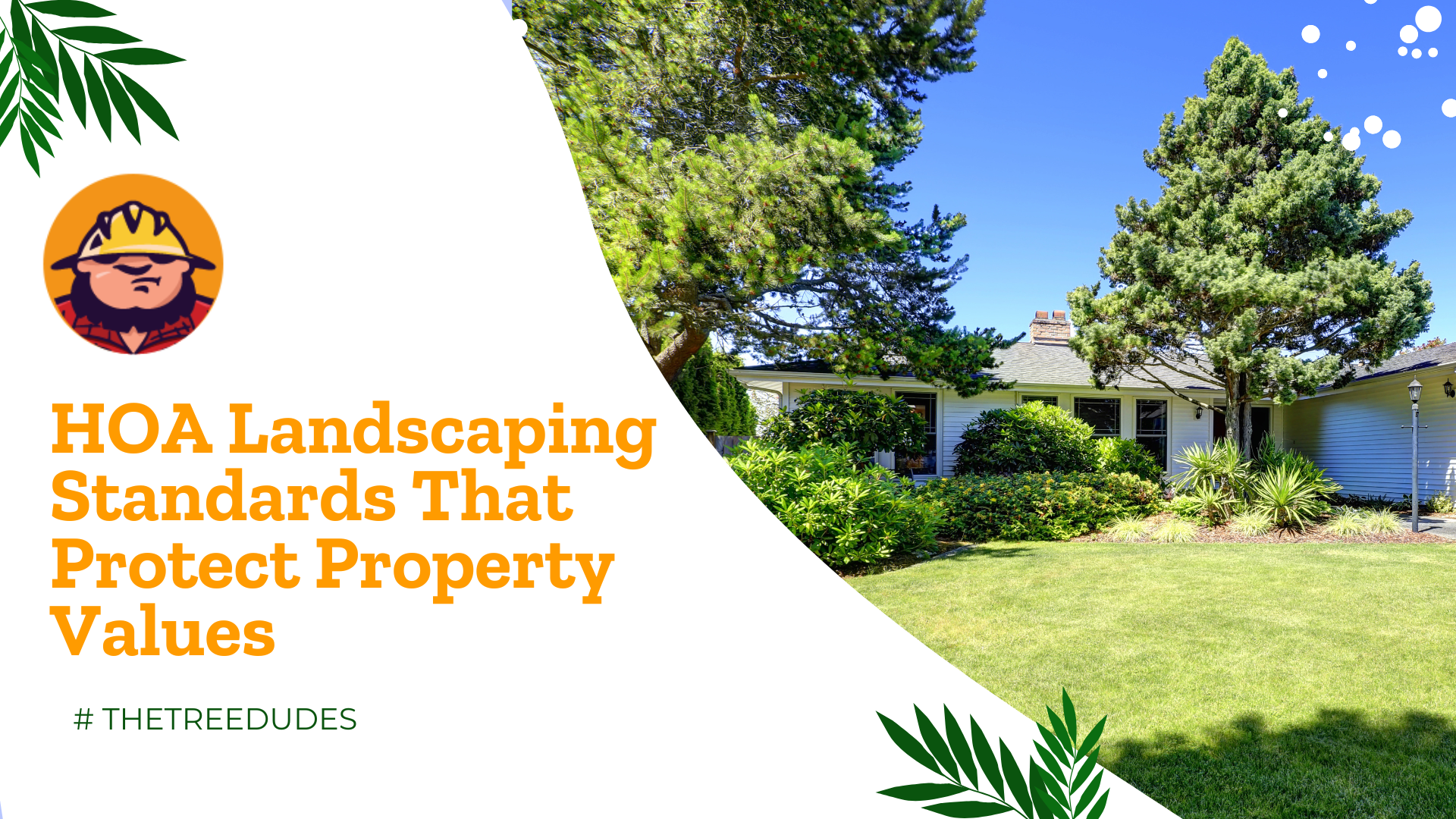
Landscaping often gets brushed off as something “just for looks,” but the truth is that real estate markets pay a lot of attention to it, especially when it is consistent, easy to manage, and mostly predictable. When a homeowners’ association has well-written and fairly enforced landscaping standards, it helps turn individual yards into a solid community vibe. It shows that the neighborhood is taken care of, keeps the overall appearance steady, and lets future buyers know they will not have to deal with overgrown lawns or dead plants.
Evidence that the market notices landscaping quality is not subtle. Perceived home value increases from no landscaping to well-landscaped, ranging from roughly the mid–single digits to the low double digits. Minimal landscaping can detract from perceived value, meaning that “doing something” poorly can be worse than a conservative baseline.
This is the hidden reason many HOA standards obsess over plant sizes at installation, minimum tree caliper, bed edging, and mulching. The standards are looking to get more mature plants, either right away by using bigger ones or gradually by keeping the younger plants safe long enough for them to grow up.
The Power of Landscaping for Curb Appeal and Property Values
A great-looking yard is like a friendly handshake when someone checks out a home. People usually form an opinion about a property within moments of showing up, so making a strong first impression really boosts its value. Well-designed gardens and coordinated plantings make a difference in price.
Professional landscaping adds roughly 15–20% to a home’s value. The reason is straightforward: mature trees, uniform grass, and flowering beds boost curb appeal and create a sense that the entire community is cared for. In an HOA, these gains are magnified. When every owner abides by the same high standards, the collective appearance is cohesive. This cohesion reassures buyers that the neighborhood is stable and well-maintained.
Navigating HOA Landscaping Guidelines
Each community’s standards are spelled out in its governing documents, such as the Declaration, Covenants, and Rules. These documents list exactly what is and is not allowed in a yard. For example, they might specify approved plant species, fence colors, and watering schedules. These HOA rules must follow Florida law. Since 2009, the state has required HOAs and homeowners to work together on water-saving landscaping. Florida laws make it clear that no deed restrictions or association rules can stop you from using “Florida-friendly” landscaping practices. This means an HOA cannot enforce rules that forbid native, drought-tolerant, or water-conserving plants if those practices are defined as Florida-friendly.
If a landscape design conserves water and protects the environment by using native species and mulching, the HOA may not penalize it. In other words, a homeowner who replaces a thirsty lawn with native groundcover to save water cannot be fined under state law. However, it is still required to follow any HOA review process. Nearly all communities require residents to submit plans or gain approval before altering their yards. The process is often overseen by an Architectural Review Committee (ARC) or similar body. A typical rule is that even minor changes must be submitted for approval. Boards are careful to enforce this: if something is done without the required permission, the HOA may require removal of the new plantings or impose a fine.
The point for the homeowner is to know and follow the guidelines. Those rules cover everything from lawn care to irrigation. Many associations list exactly which plants are allowed in front yards and which are banned. They may also require permits for structures like fences or pergolas.
Common HOA Landscaping Policies and Practices
To preserve a uniform look, HOAs typically impose specific requirements on homeowners. The most common policies include:
Lawn and Turf Maintenance
Regular mowing, edging, and fertilizing schedules are mandated. Grass height limits (3–4 inches in Florida) are common, and HOA rules often specify that no weeds or bare patches are allowed. Consistent turf care across properties gives a seamless, well-groomed look.
Approved Plant Lists
Most communities maintain a list of acceptable trees, shrubs, and flowers. The goal is to avoid a haphazard mix of species. Approved lists usually feature native or Florida-friendly plants that thrive in the hot climate and coastal air. In contrast, invasive plants, such as Brazilian pepper and air potato vine, are commonly banned because they harm local ecosystems.
Tree Trimming and Removal
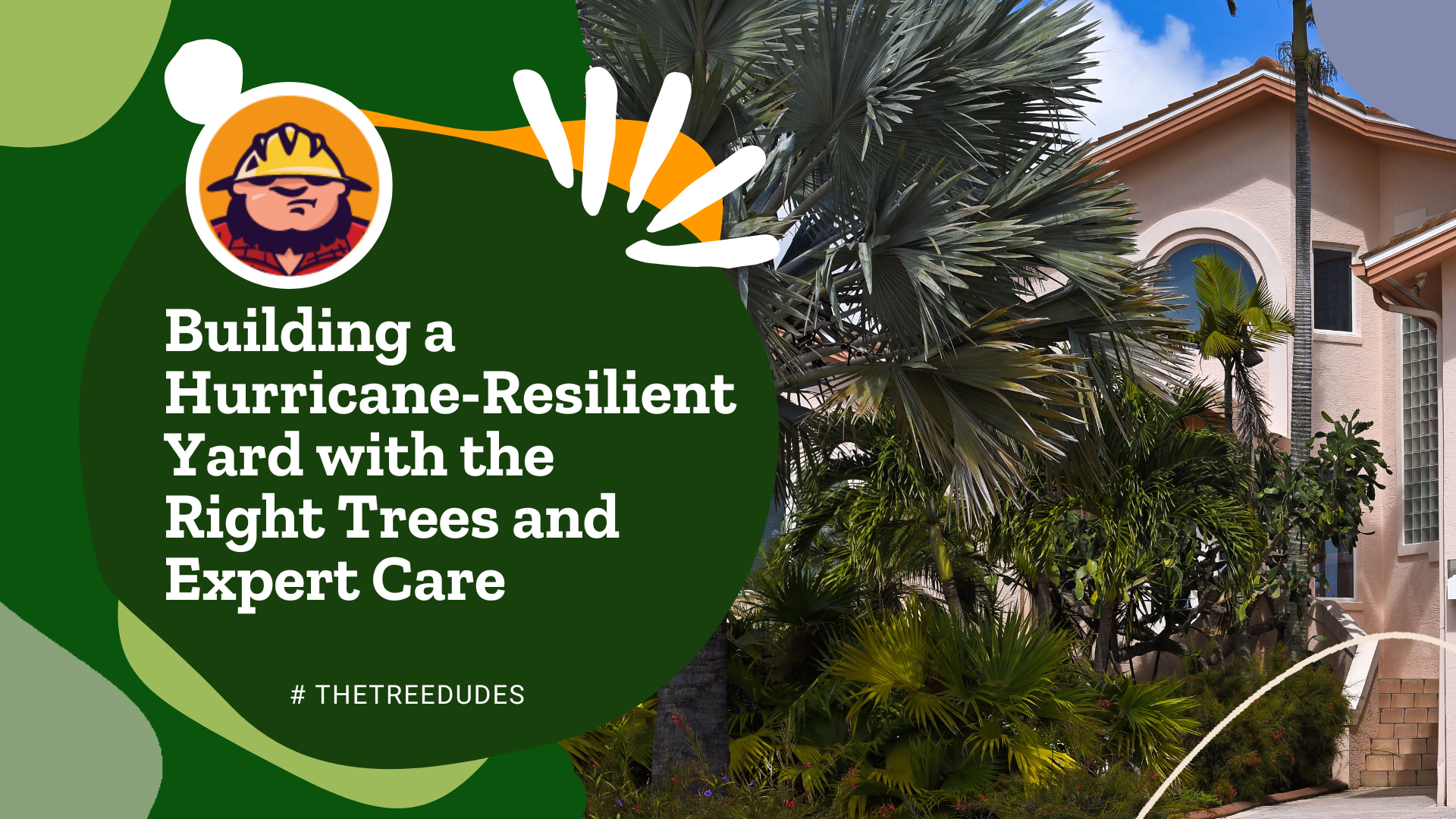
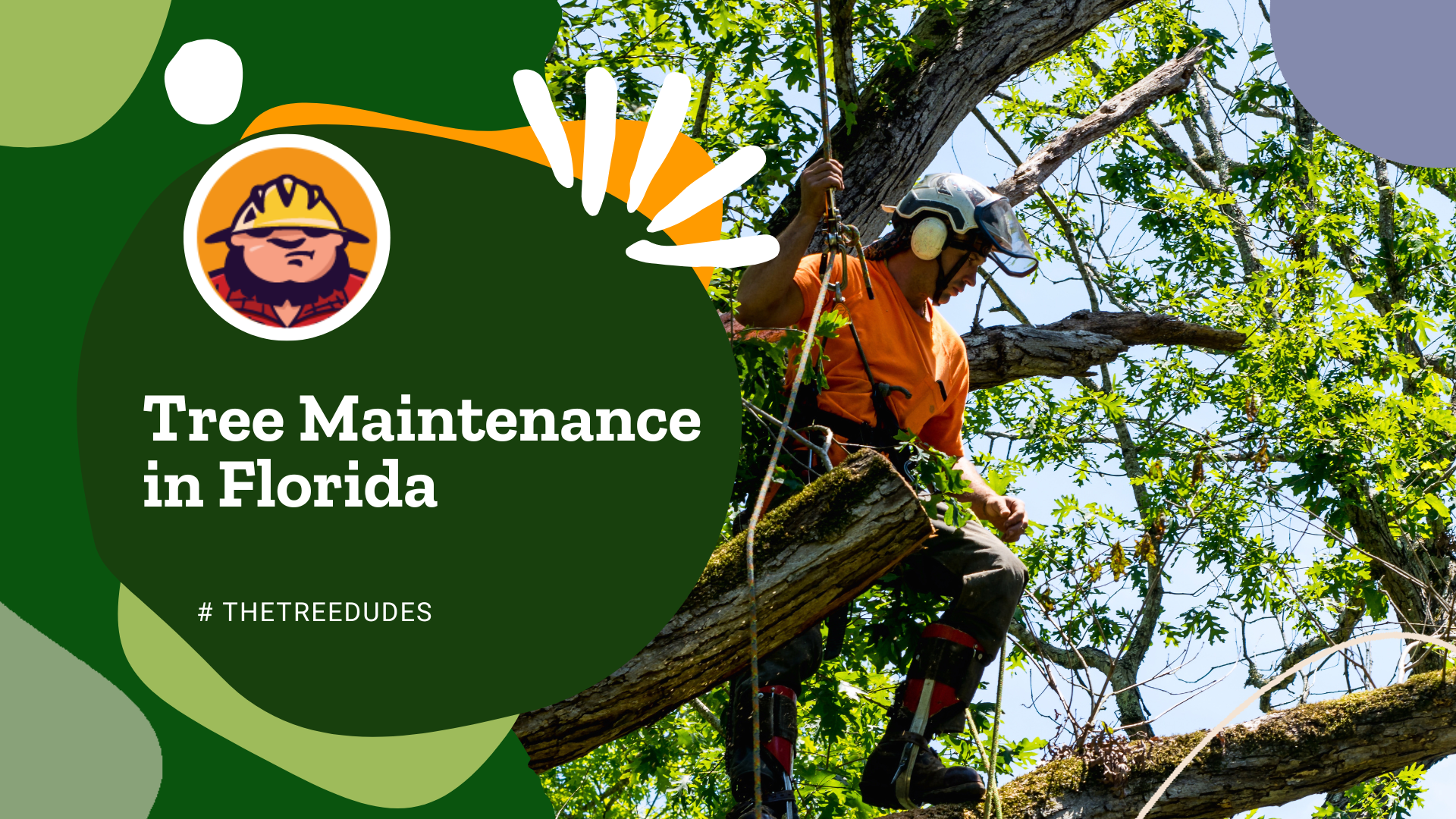
Tree care rules are especially important in Florida, where hurricanes are a threat. Guidelines typically require regular trimming to remove dead limbs and maintain safe canopy heights. Any tree removal generally needs HOA approval or a certified arborist’s report, because mature trees cool homes and slow winds. Protecting the canopy cover is considered a community-wide priority.
Mulch and Groundcover
The rules often cover what type and color of mulch can be used. Some HOAs require the same mulch color across all homes, so yards blend. Consistent mulch creates a polished effect along bed lines. Groundcover rules likewise specify drought-tolerant options that suppress weeds and retain moisture. Organic mulch at 2–3 inches deep is encouraged to hold in moisture and reduce weed growth, aligning with both HOA standards and Florida-friendly practice.
Hardscape and Structures
Additions like driveways, patios, fences, decks, or gazebos usually require formal approval. The HOA will dictate style, materials, and placement so new features do not clash with the overall aesthetic. For example, fence height may be limited, and color must match the community design. Permeable pavers are often preferred for walkways, since they allow rainwater to soak in rather than run off. Even decorative items can be regulated to ensure they complement the common design.
Irrigation and Water Use
In South Florida’s dry spells, watering restrictions are common. HOAs may enforce odd/even watering days or ban spraying between 10 am and 4 pm, following the local water district mandates. This saves water and cuts utility costs for everyone. Many communities also require periodic inspection of irrigation systems to prevent leaks.
Fertilizers and Chemicals
HOAs near waterways often ban high-nitrogen fertilizers or limit application times to prevent runoff. For example, some rules forbid fertilizing before heavy rains or require slow-release formulas. The aim is to stop fertilizer from washing into storm drains and messing up lakes or lagoons.
Storage and Yard Equipment
Even non-plant items are covered. It is common for HOAs to insist that hoses, trash cans, bicycles, and toys be stored out of sight when not in use. The idea is to keep the property looking tidy at all times. Similarly, barbecue grills and patio furniture may need to be put away after dark.
Common Areas vs. Individual Yard Responsibilities
Within an HOA, responsibility for landscaping is typically split between individual homeowners and the association. Individual homeowners are responsible for their own lots: front yards, back yards, and side yards adjacent to public view. Each homeowner must maintain their lawn, beds, trees, and plantings according to the HOA’s standards.
Homeowners are expected to mow their lawn on schedule, prune shrubs as required, and remove any dead plants or fallen branches promptly. If they want to plant a new palm tree or install a water feature, they go through the HOA’s approval process. They help maintain things and keep neighborhood standards in check on their own property.
Common areas are the HOA’s domain. The association or its hired contractor handles mowing, irrigation, and plant care in these shared spaces. Since common-area landscaping is paid for by all residents, the association sets a professional schedule for maintenance. Even so, the choice of plants in common areas often reflects the same approved palettes used in private yards, creating a cohesive look. In many Florida HOAs, the front yard of each home is considered a “common view” area, so it must match the uniform style.
The boundary between private and common can sometimes blur. For instance, the grass strip between the sidewalk and street might belong to the HOA or the city. In either case, the association usually oversees its upkeep to maintain curb appeal. Homeowners typically cannot alter common-area planting. That responsibility lies with the HOA board and landscape committee, who plan and budget those projects.
Educating Residents on Landscaping Standards
Even the best rules are only effective if residents know them. Many HOAs invest in resident education to ensure everyone is on the same page. At move-in, new owners typically receive a welcome packet that includes a summary of landscaping rules. Associations might host orientation meetings or send seasonal newsletters outlining yard-care schedules and updates to the guidelines. These communications remind homeowners which plants are approved, the correct grass height, watering days, and any recent law changes.
Some HOAs bring in experts from local Extension offices or gardening clubs. For example, the University of Florida’s Florida Yards & Neighborhoods program offers science-based tips on sustainable landscaping. Workshops or demonstration gardens teach the nine principles of Florida-friendly landscaping. The HOA might partner with water managers to share irrigation best practices or hold a mulch giveaway day to encourage the common, needed depth of mulch. We also offer free mulch in exchange for small tips. With your HOA’s approval, we can go to your place of living and drop off some organic mulch.
A good HOA will have a defined process for questions. If a resident is unsure about a garden change, they will be encouraged to contact the board or ARC with a sketch of their plan. This open dialogue prevents misunderstandings. A quick email or phone call to explain a planned shrub swap can save you a world of trouble by getting informal feedback before a formal submission.
Some communities also form landscape or horticulture committees made up of volunteer residents. These committees help educate neighbors and even review minor issues. For example, a landscaping committee might advise a homeowner on selecting a salt-tolerant plant for a corner lot.
Role of HOA Management and Committees
Many associations establish a dedicated landscape committee or designate responsibilities to the board and management. A landscape committee brings expertise and focus to yard care. This committee may draft the landscape budget, solicit bids from contractors, and oversee major projects. In fact, industry guides note that one of a committee’s first tasks is creating and managing the landscaping budget.
A second function is vendor selection and oversight. Committees or management issue requests for proposals and interview landscaping contractors. They look for licensed pros who understand both horticulture and the HOA’s aesthetic goals. Once hired, the landscaper follows the strict contract terms. The committee regularly checks that the work meets standards: grass at the correct height, beds weed-free, plants healthy. This oversight keeps common areas immaculate and sets an example of maintenance for individual homeowners.
Communication is another responsibility. The landscape committee acts as a liaison between homeowners, the board, and contractors. If one homeowner has a plant issue or a design question, the committee can provide guidance. It also coordinates updates to the HOA newsletters and verifies that landscape rules are clearly posted and understood.
The board and committees review demographic trends and environmental factors. For instance, if new residents are younger families, the association might allow more creative plantings to accommodate modern tastes. If water restrictions tighten, the committee revises the rules. In short, the HOA management group translates the community’s vision into reality.
Enforcing Landscaping Standards and Protecting Investment
Rules only work if they are enforced, and here the HOA board must balance firmness with fairness. Florida law requires that enforcement follow due process: before any fine is levied, the homeowner must receive notice of violation and an opportunity to be heard. In practice, if a yard falls out of compliance, the association issues a written violation notice citing the specific rule. If the homeowner still does not correct the issue, the board may impose fines capped by law.
Professional management companies often handle much of this legwork. The property manager tracks homeowner requests, coordinates the ARC reviews, and sends violation letters when needed. This keeps enforcement consistent. For example, if the board has approved a 4-inch maximum grass height, the manager will issue reminders mid-week and follow up on complaints. Because managers usually know the exact timeline for approvals and fixes, they ensure the association sticks to its own rules.
From the homeowner’s perspective, enforcement is a safety net. If they accidentally overlook a minor rule, the process issues a warning and gives them time to fix it. On the other hand, a persistent violator receives equal treatment, preserving fairness. Importantly, no HOA rule can override state law if a homeowner followed a Florida-friendly practice. This legal protection reinforces the community’s goal of eco-friendly yards without fear of penalty.
When enforcement is handled well, it ultimately upholds the standards that protect home values. Each compliance check reinforces that appearance matters here. The result is a neat, orderly community. Enforcement completes the feedback loop. Everyone sees the benefit of keeping up their yard because any lapse is swiftly addressed, preserving the beauty and value of the neighborhood.
Each homeowner agrees to follow the guidelines for the sake of the whole community. When everyone does their part, the neighborhood thrives. Buyers know a community with strict, well-enforced landscaping standards is a community that protects its property values. By combining clear guidelines, educational outreach, committed management, and climate-smart practices, South Florida HOAs can create a vibrant, resilient landscape. In such a neighborhood, the sunlit morning strolls feel relaxing, the front porches invite friendly chats, and property values are steady or rising. It is a cycle that starts in the soil but ends in investment protection: well-kept yards beget high curb appeal, and high curb appeal begets higher home values.
For homeowners who take pride in their gardens and for the boards that keep everything in check, the benefits are obvious: a gorgeous neighborhood and a solid real estate market. We focus on HOA gardening care, so reach out if you want us to handle all your HOA’s mulching needs.