







Hurricanes are easily the most powerful and destructive natural forces on Earth, they pose a cataclysmic threat to communities and landscapes in the coastal regions of the US territory located on the Gulf of Mexico like Florida, Louisiana, and Texas. History has shown us that these storms can cause widespread destruction. Also known as tropical Cyclones, strong winds, unstoppable rain, and storm surges characterize these massive storm systems.
Hurricanes originate over warm ocean waters and then will travel all across the globe to bring destruction when they finally hit the lawn. Being prepared for a hurricane is a must if you live in the regions mentioned above. By implementing effective preparedness strategies, lives, property, and the environment can be safeguarded. In this guide, you will gain the needed knowledge and tools to protect your life, property, and the environment around you in case you ever have to face the destructive rage of a hurricane.
Before educating you about the obligatory preparations you should take when expecting a hurricane, you should fully understand what you will be up against. Underestimating a hurricane is one of the worst life mistakes you can make. The state of Florida is a testament to this you can learn from. In 2017, Hurricane Irma touched the coast of Florida. It was not a new occurrence in the state, so authorities made preparations to minimize the damage done to private property and the loss of human and pet lives. However, they were expecting Irma to be a category 4 hurricane, but it was a category 4 with a never-seen-before destructive power, reaching winds close to 155 mph. The devastation Irma caused is tied to the unpredictability of its strength. This is why you should be well aware of what a hurricane is and how to be prepared in case the authorities announce one is coming to your location. When in doubt, assume the worst, it is better to be sure than sorry, always.
What Is a Hurricane?
A hurricane is a tropical cyclone with the strength of a tornado. Its strong wings can surpass 74mph. The most common places on earth a hurricane can originate are the Atlantic Ocean, Caribbean Sea, Gulf of Mexico, and occasionally, but rarely, in the eastern Pacific Ocean. Hurricanes pose a real threat to coastal states like Florida, due to their geographical location the occurrences of hurricanes hitting land with full force are somewhat frequent. Hurricane Andrew in 1992 and Hurricane Irma in 2017 caused widespread damage and killed several people and pets.
Just so you know, the Government of Florida works hard to try and ensure your security, but that doesn’t mean you invest time in protecting yourself and your belongings. Florida has the National Hurricane Center (NHC) and the Florida Division of Emergency Management to try to track and monitor hurricanes. Official safety protocols include evacuation plans and building codes you should familiarize yourself with, as they are of utmost importance to minimize the impact and monetary losses caused by a hurricane.
Dangers of a Hurricane
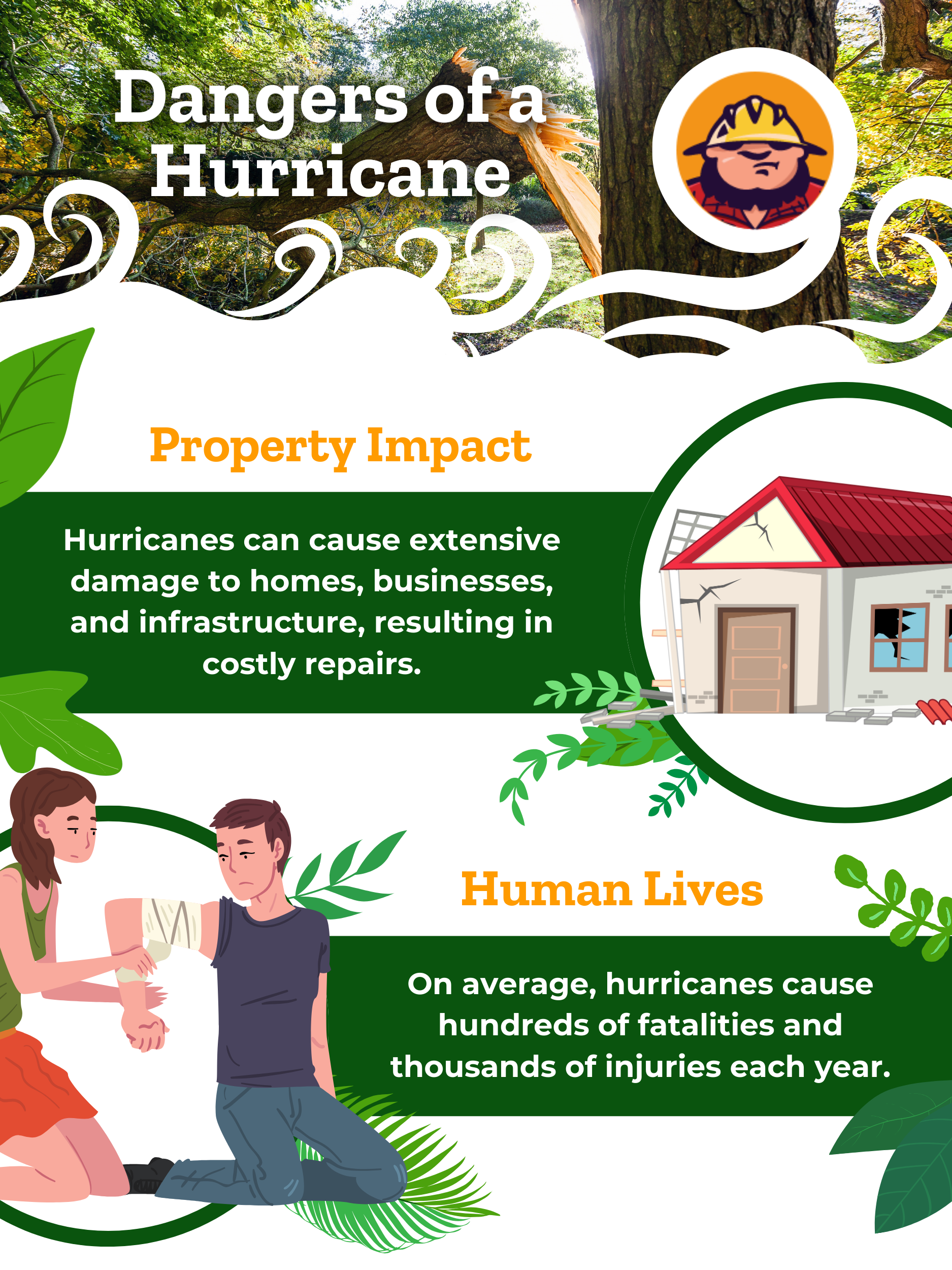
Understanding the various forms a hurricane can take is essential to your survival. Being prepared is always a good thing, your family will have peace of mind knowing that you have a plan in case something bad happens. Also, handling situations with confidence can be a turn-on for some people. Storm surge, high winds, heavy rainfall, and other characteristic Hurricanes hazards have different dangers and preparation methods, these things will go over your head if you don’t learn about the subject.
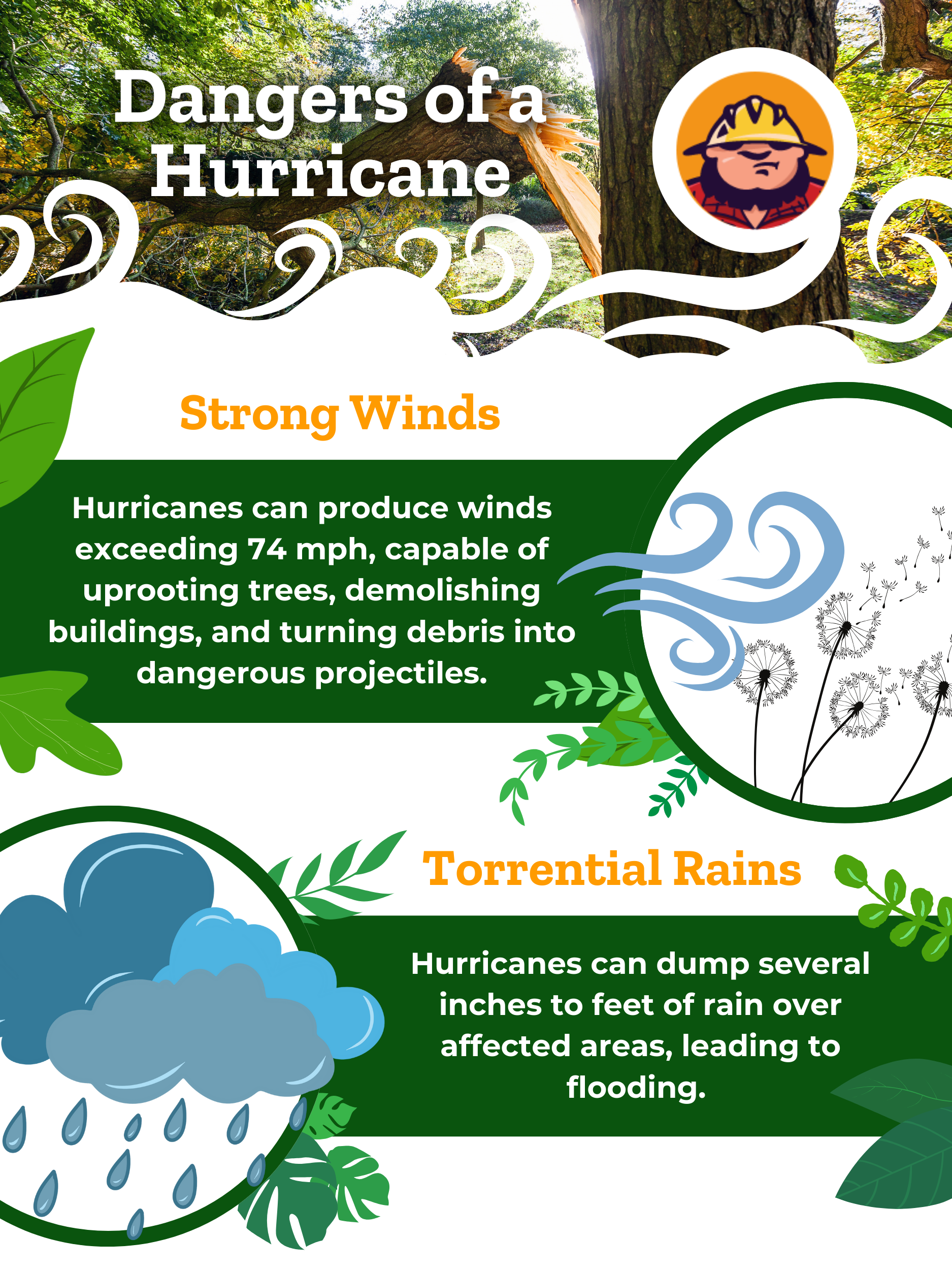
Strong Winds
Hurricanes generate winds that are more powerful than most man-made machines known. This force of nature can pull trees out of the soil, completely demolish buildings to the ground with valuable furniture and belongings inside of them, and send debris and other fatally dangerous objects flying around. Truly something that will sweep you off your feet. The sight of these kinds of powerful winds proves that natural disasters are no joke.
Torrential Rains
These kinds of rains will come crashing down during a hurricane, there is no way around it. It is one of the main apocalyptic characteristics of this natural mayhem. They are so heavy and cataclysmic that will turn streets into rivers, rendering communications inaccessible. In one of these events, you, your family, and your pets can potentially get stuck inside your property which may or may not be in a safe area.
The ever-flowing water will overwhelm the drainage system, ensuing chaos as many properties won’t be able to withhold the water from pouring inside the building, leaving its inhabitants nowhere else to run to, letting them know of their inevitable, painful demise. If your neighborhood is not in a safe area, it can turn into a waterpark real soon, instead of gardens, you will see Olympic-sized swimming pools.
With all of this pressure from the water, even if you manage to evacuate, your property may still suffer heavy structural damage to the point of collapsing onto itself.
Storm Surges
Close your eyes and imagine the nearest coast, then picture a tsunami of water crashing into the shore, led by a hurricane. Doesn’t matter the way you pictured it, the idea itself is terrifying. After the water has reached the coast, it will start advancing like a bulldozer. Coastal neighborhoods will get flooded quickly, with sandy water that may be too dense to swim in, causing the death of anyone who gets trapped inside the slimy mass.
Buildings will get flooded; and roads, rendered unusable. Beachfront properties will forever lose their appeal unless they undergo massive reconstruction processes. Nature doesn’t forgive, its force doesn’t distinguish bad from good, or rich people from poor people, everyone will be affected the same, so it is of utmost importance to know what to do in case of a hurricane, but especially the action protocol you should follow if your property is near the shore and Storm Surges are expected to happen.
The Importance of Being Prepared
Think about being prepared for a hurricane as you would be for any important date of your life. You will want to have everything under control to reduce anxiety and have everything go smoothly, right? Each year’s hurricane season is an opportunity for the most crucial day of your life to happen. That’s how important being prepared for it ultimately is. As we said above, dealing with hurricanes is being prepared for multiple hazards.
By preparing yourself you are also preparing the ones you love, family, friends, and pets. Stocking on supplies, making an evacuation plan, or at the very least keeping yourself informed about what is happening in the hurricane season are all ways to show you care.
Developing an Evacuation Plan
Having a plan will up your chances of survival in case a hurricane hits your area. Keep in mind that is impossible to be “too prepared”, planning for the worst scenario guarantees you will be ready for anything, and if it turns out to be not that bad, you’ll solve the situation like it was just a breeze. Some practices will help in every case, but you should be aware of your specific situation. Knowing exactly where you stand and what could go wrong in your property, neighborhood, and state is important.
Risk Assessment
As with any potential danger, you should first weigh the pros and cons of what your situation would be in case of a hurricane, starting with the understanding of the specific risks to your location. The first thing you should assess is the proximity to the coast. If you lead a beach life, you are inevitably more exposed to the storm surges and high winds that accompany a hurricane.
If you are located inland, you might have a little more protection and action range, but you still need to be prepared for a myriad of other things, like wild weather changes and flooding. If you are in the lowest earth-level location of your neighborhood or have a basement that could potentially store overflowing water, you need to be sure of what would happen to your property in case of flooding.
This leads to the next essential assessment: structural vulnerabilities. Is your hard-earned property built to withstand hurricane-force-level winds, or are you living in a glass house that’s just waiting to get shattered with you, your family, pets, and valuables inside? Take a good look at your property without missing the lawn, soil, structures, roof, etc. You will most likely find weaknesses in them. By assessing these weaknesses you will be able to draft an action plan in case of a raging hurricane.
Evacuation Routes
Venturing into uncharted territory like trying to survive a hurricane without a plan to navigate yourself to safety would be a huge mistake. You need to be well aware of what your evacuation routes are. First, identify which evacuation route will get you to safety faster and easier, think about what can go wrong about that route, and then go to the next evacuation route in terms of safety and easiness, then proceed with the next one. Now you have a comprehensible map of the evacuation routes hierarchy and will know what to do while taking any of them.
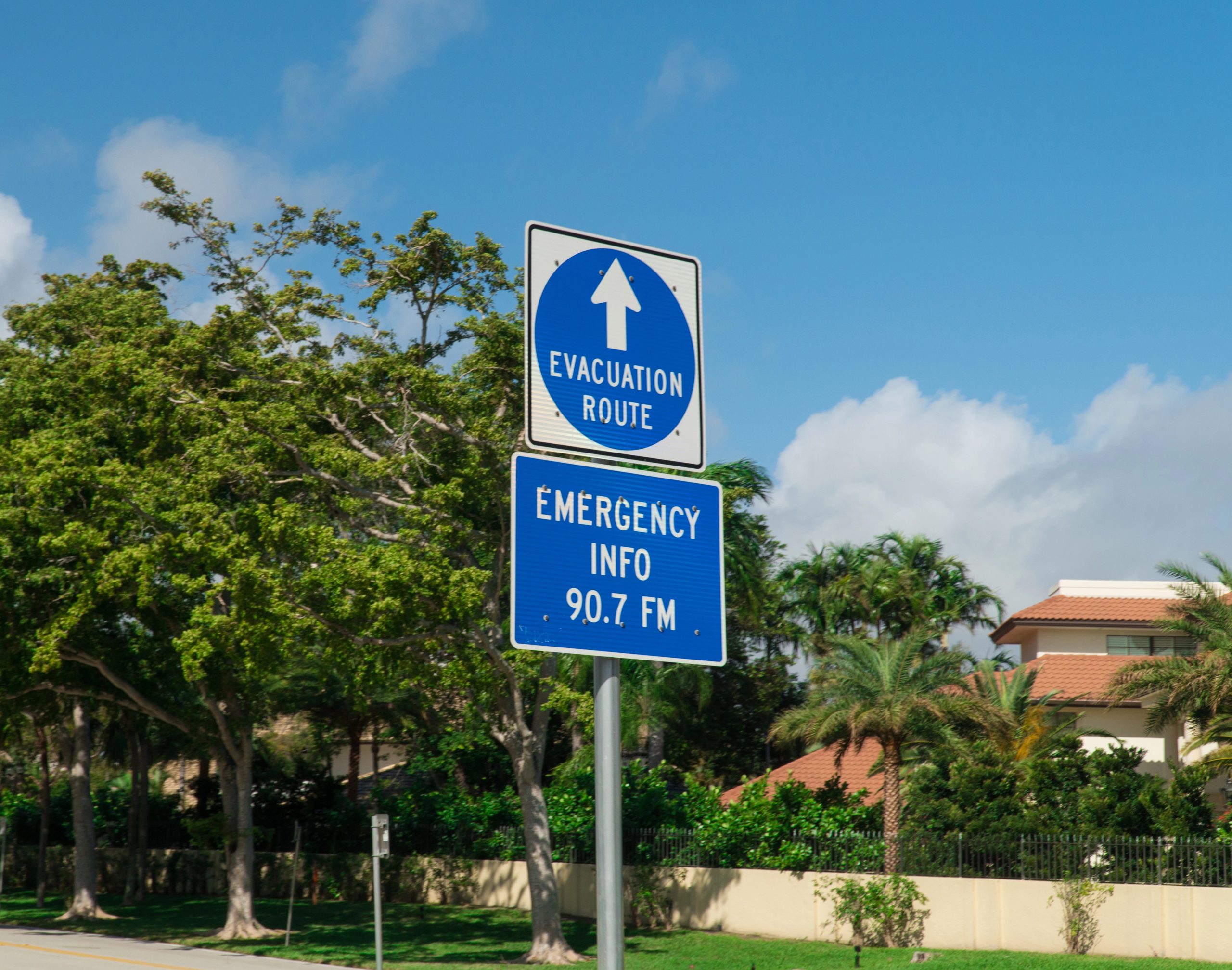
Check out maps of your location and nearby regions to identify government-designated evacuation routes and study them until you know them from memory inside and out. Also, look for shelters, they’re a safe, comfortable place where you can ride the storm. Once you find the closest shelters in your area, write down their addresses, contact info, and how you can reach them in case the hurricane already hit land. Save this data in the GPS app on your phone. This will make you feel more ready and in control of the situation.
Last but not least, familiarize yourself with all kinds of official evacuation protocols you can find. They will shed light not only on evacuation routes but any other kind of knowledge useful for survival. Keep an eye on official announcements and follow the guidance of local authorities. They’ve got your back, so trust them to lead the way to safety.
Communication Plan
You can’t just prepare everything on your own and then gatekeep that information. Worrying your family about the potential disaster of a hurricane that could end up in their deaths will be uncomfortable but necessary. All of the inhabitants of your home, even your pets, should know what to do in case one of them goes missing, or the hurricane hits when one of you is at school or the office.
Keep in mind that phone communications and the internet could go down in a cataclysmic event like a hurricane reaching your area. Relying on conventional day-to-day communication methods may leave one or more people from your family wandering alone with nowhere to go. But that doesn’t mean traditional communication methods like phone numbers, email addresses, and social media, shouldn’t be registered in a directory widely accessible for all the members of your family.
Establish a check-in schedule to stay connected before, during, and after the hurricane. You will be more at peace and with a sharp mind if you know at all times that your family members are safe. Purchase alternative communications like walkie-talkies or satellite phones and distribute them among your family if authorities are saying a hurricane is nearing the shore.
You should also designate a meeting point in case you scatter, a shelter would make a great meeting point because lots of people are going to head there and a stray member of your family can just follow them or ask them for a ride if they have enough space in their vehicles. As an alternative meeting spot, in case the original one is rendered inaccessible, you can designate a familiar safe place that your whole family knows well.
Emergency Supplies
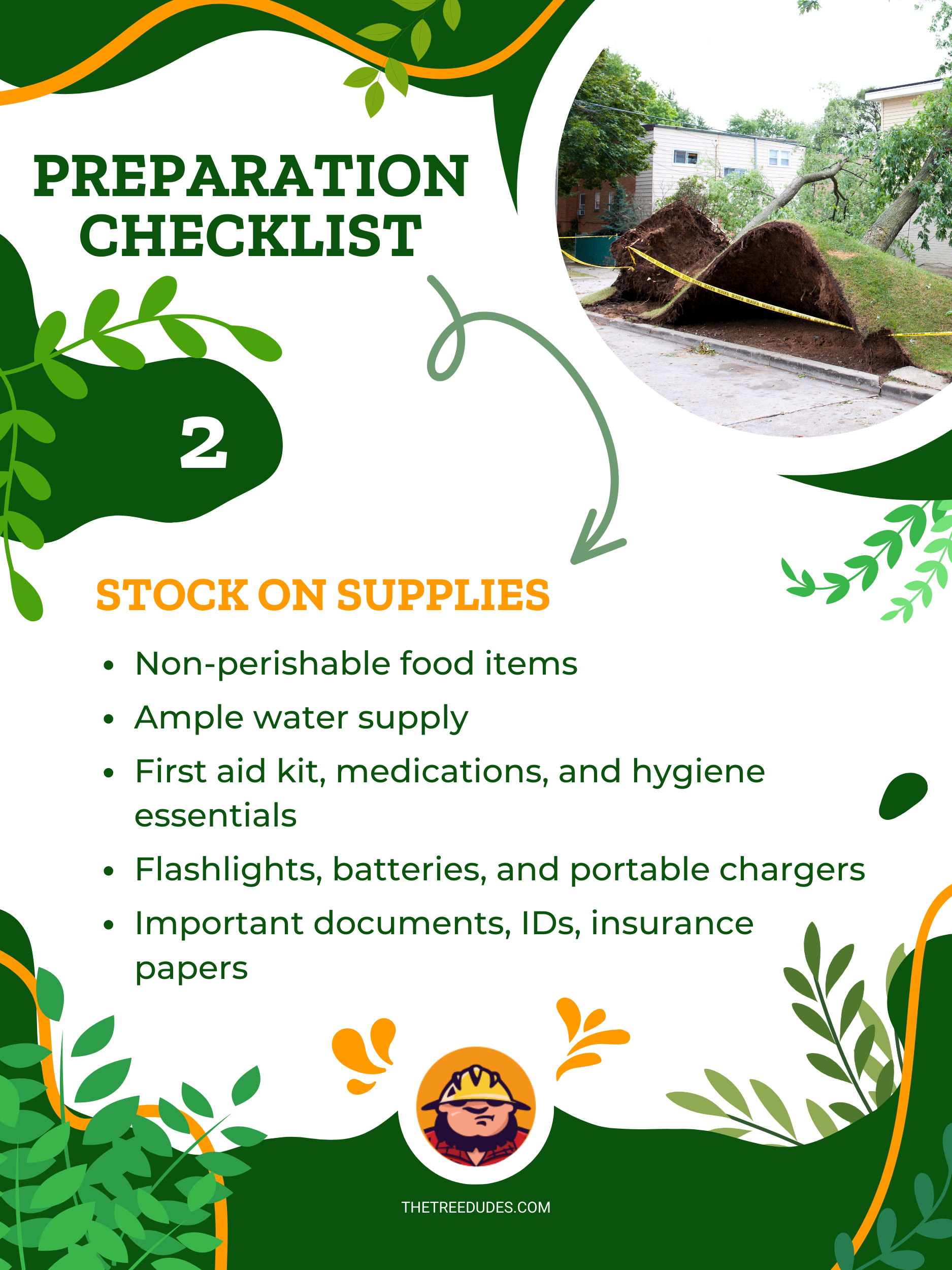
You shouldn’t face a hurricane without the necessities to keep you safe and comfortable but, most importantly, alive. Make sure you have lots of non-perishable food like tuna, soups, potato chips, protein bars, or cola. While cola is important to get someone up if they are dealing with low blood pressure due to the stress of the situation, it won’t hydrate you, so the most important liquid you should store is the very same liquid you are up against: water.
Any canned goods that won’t spoil when the electricity goes down is worth storing in case you end up trapped in your home or somewhere else. Medications and first aid supplies are also a must. If one of your family members is heavily injured or sick, is better to have bandages, antiseptic wipes, and pain relievers at hand. Don’t forget that electricity may be going off, leaving you in darkness as night approaches. Stocking on batteries and flashlights will keep them illuminated.
Documents like IDs, insurance papers, and emergency contact lists should be secured in a waterproof container in case you need to use them later on. Remember that valuables, collectibles, and electronics are not emergency supplies, you can restock them later but you wouldn’t be able to do so if you are dead.
Navigating Through Crowded Supermarkets and Stores
As soon as authorities announce that a hurricane is lurking in the oceans and nearing the shore, stores will get crowded by people trying to stockpile non-perishables. We are not saying you shouldn’t be the same, but you need to be smarter than the average person to take advantage of the situation and make it work in your favor. As a general rule, don’t wait until the hurricane is nearby and people start making purchases out of panic, plan in advance.
Ensure you have a well-prepared emergency kit on standby, comprising essentials like plywood, tarps, and if needed, generators to get your electricity back up as needed. Keep in mind Home Depot gets specifically crowded during hurricane season. Canned goods are also a must, irresponsible people will stockpile them without having other persons in mind, so having them already stored in your garage is always a good idea. If you plan these purchases well, you will only see other people fight to the death in the stores for a piece of food, while you will be able to breathe in peace knowing that your family has everything they need thanks to you, they won’t only be proud, you will be their hero.
Traffic Concerns
While the day a hurricane hits the shore may be predicted, it can still surprise you during an inconvenient time, like being on the road. If this happens to you, being ready is a matter of life and death. When people panic, they tend to make stupid decisions, like clogging the traffic and trying to get home no matter what instead of maintaining order so everyone has a chance to see their families one last time. But not everything has to do with regular folks, the authorities may also mandate road closures to avoid traffic accidents if the path is flooded, blocked, or devastated.
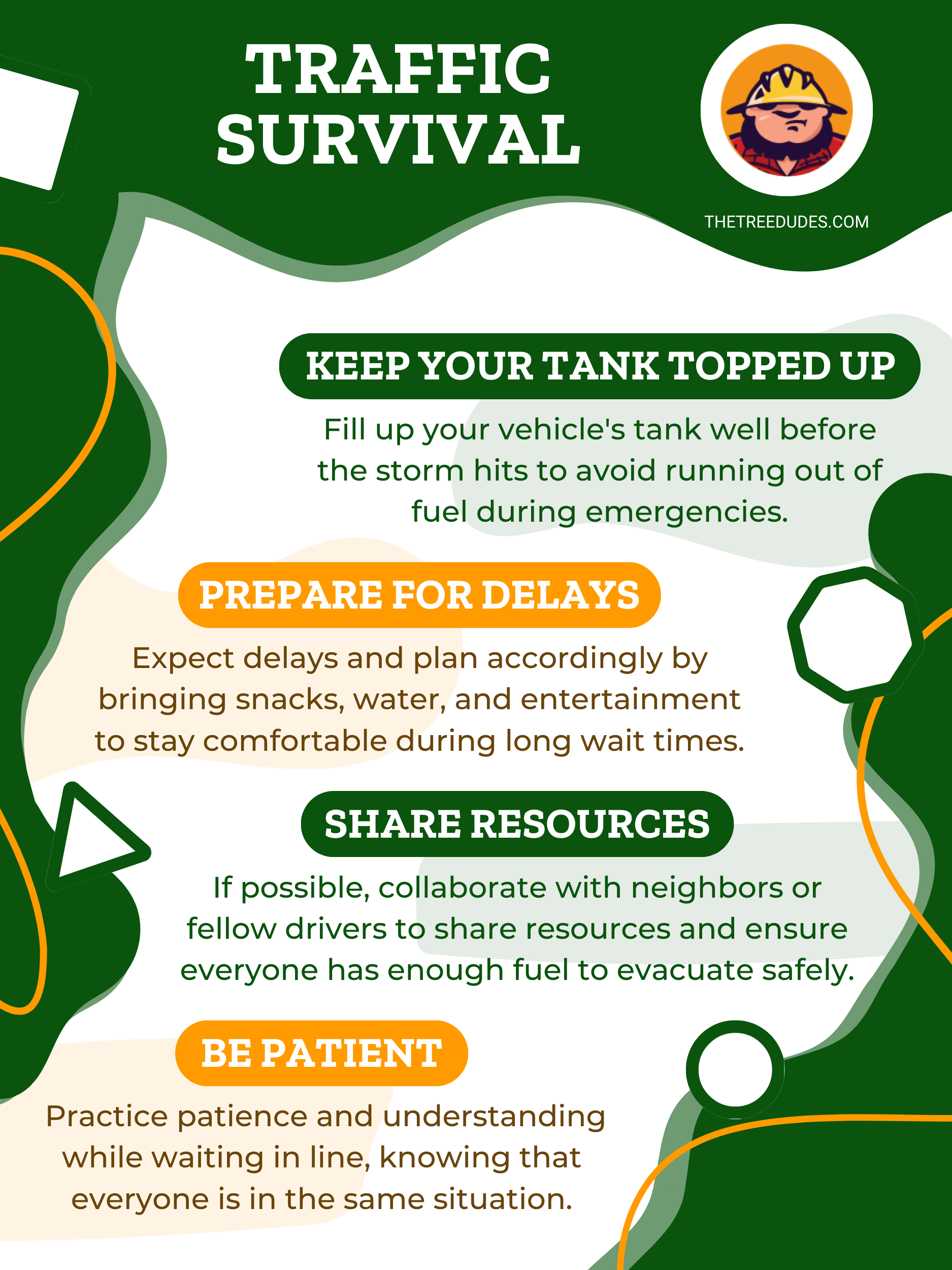
To ensure your well-being on the road, your car or truck should also be packed with goods that will make you survive at least a little bit more, like water, snacks, and first-aid components. Knowing you have this covered, it will be easier to keep your head straight while being at a standstill caused by traffic while the hurricane is raging around the vehicles. By taking care of yourself and your needs, it will be most likely that you will be able to get back home to your loved ones.
Do not, under any circumstances, forget the most important component you need to have to survive the traffic during a hurricane: gasoline. Gas stations will become so crowded that people will start panicking and start shouting at each other trying to at least get some ounces of gasoline. If you have your tank filled at all times, you will just speed ahead of those who are stuck in a line at the gas station. Also, the damage a hurricane can do to a gas station can put those waiting in danger. In Florida, there have been cases where gas stations get their roof sent flying because of the heavy winds.
Securing Your Property
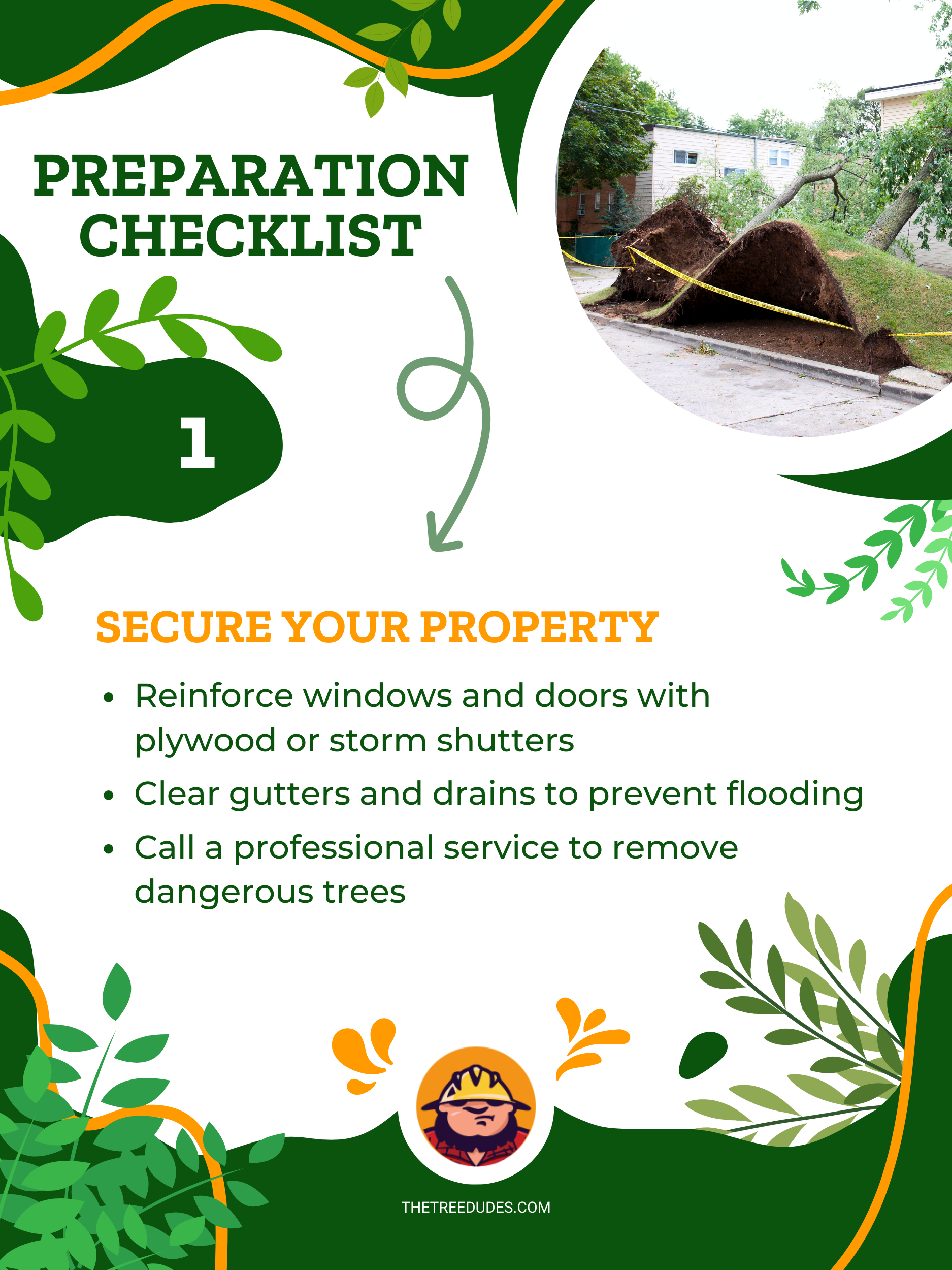
Just like you wouldn’t leave your favorite electronics out in the rain, you shouldn’t leave your property vulnerable to the brutal destructive force of a hurricane. You need to reinforce structural vulnerabilities, especially windows where you may need to install window shutters, so the property can handle anything that comes its way. Reinforce windows and doors with plywood, that should protect them from flying debris and high winds. You should also remove anything that may constitute a projectile, like potted plants and outdoor furniture. If these objects are lying around, the winds can make them as lethal as a cannonball. Only leave out the things that are anchored to the floor, never overestimate the weight of an unsecured object. Following these practices will give you better odds at getting your property to survive the hurricane, that way you won’t be left bankrupt with a bleak future in case you manage to survive.
Roof Inspection
Making sure that your roof is in top-notch conditions will guarantee you it won’t collapse over your head during the hurricane. Conduct an extensive, close inspection of your roof, especially if hurricane season is nearby, or the authorities have been starting to hint at a potential hurricane lurking in the seas near your shore. Look for any indication of damage, if there are any loose or missing shingles you must replace them.
All roofs have objects that may be sent flying by the impassible winds of a hurricane. Securely fasten items like satellite dishes, antennas, and vents to minimize the risk of damage during the storm. Also, consider the environment around you, and trim any overhanging branches or trees that may pose a threat to your roof. Trimming them is one of the best ways of reducing the possibility of damage, or reducing the severity of damage, in case it is impossible to avoid it completely.
You should consider a professional tree removal service to do this. If you don’t have the expertise or necessary equipment, you may end up hurting yourself in the process. Keep in mind that hiring a professional is not something to be ashamed of, also don’t worry about spending money on your family’s safety, some things can’t be replaced with money and life is one of them.
Gutter Maintenance
We already discussed gutters as a potential cause of flooding, so you may be wondering what you can do about them. First of all, never allow gutters to become clogged. Regular maintenance and cleaning will do the trick here, by unclogging your gutters regularly, you will prevent the flooding of your property. Of course, if the overflowing water comes with tons of debris and animal bodies, it may still get clogged, but you will at least know you did everything that was in your hands to prevent it.
Taking proactive methods to protect the things you care about is a must. One good practice is installing gutter guards to prevent them from clogging even during the most ballistic rains and floods. You may also need to hire a professional service to remove branches on trees that could fall off and add to the materials that will clog your gutters if left unchecked.
Securing Your Surroundings
When Irma hit Florida, the trail of destruction it left on its path changed the lives of many for the worse. Aven the wealthy people who lived a life of extravagant luxury suffered irreparable losses and had to face reality like never before. If you are rich, first of all, you need to understand that your money won’t save you, at least not just by itself without you moving a finger, you need to employ your wealth in an intelligent way to guarantee your survival.
Prioritize securing lightweight objects that may be susceptible to strong winds, but do the same with heavy objects like boats and luxury cars that may be blocking an evacuation route. Florida evacuation marks are pretty clear, following them without clogging them is the best for everyone living in the area you are trying to escape from. Remember that you need to be aware of those around you, even if they are not as wealthy as you.
Before leaving your house, or even before the hurricane becomes a tangible hazard, secure gas tanks on your property. If left unchecked, a gas tank can become a fireball that will act as a projectile, causing more damage than a cannonball, with the potential of causing fires or ending up exploding against someone else’s house, vehicle, or family. One common practice you should follow is turning your house’s generator down so it doesn’t get on fire during the storm, but you should also be aware of how to manipulate it post-storm. You should place the generator outdoors, someplace safe, that way you won’t get monoxide poisoning when turning it back on.
Stay Informed
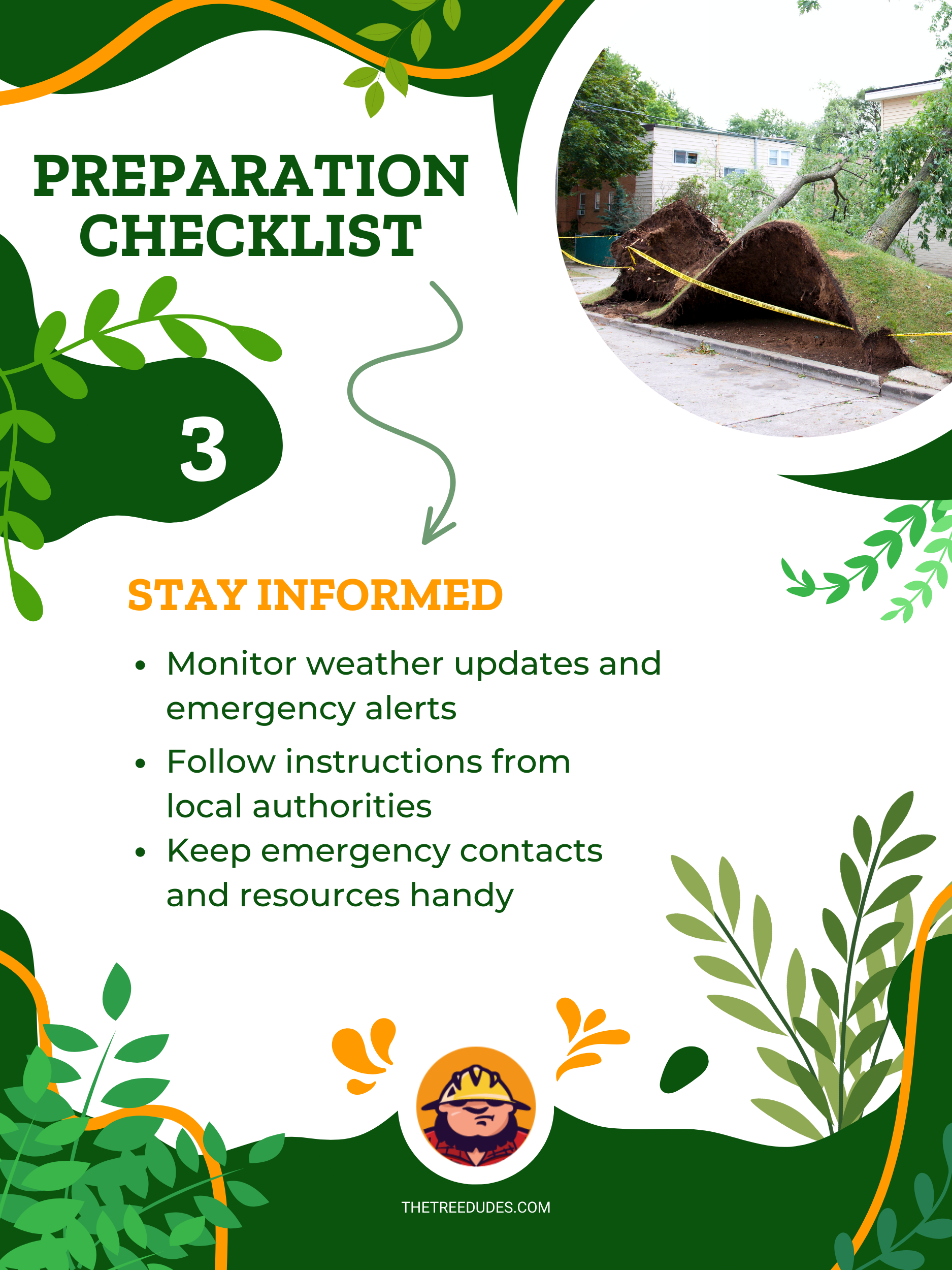
You should be well-informed of everything that surrounds a hurricane landing. Keep track of your local news during the year to be the first to know if there is any risk in the upcoming hurricane season. Then, during the hurricane, you should check the news and local authorities’ reports on the situation, to be sure you are acting the right way. Then, if you survive, don’t stop checking the news and reports, as you will need to know whether is safe or not to return home or travel downtown for any needed supplies.
Remember, staying informed during a hurricane isn’t just about staying up-to-date on the latest gossip, it’s about making informed decisions that can protect you and your assets. There are apps you can use to monitor the weather every day and recognize any irregularities, you can also tailor your social media feed to prioritize reports concerning a potential hurricane, so you can stay informed at all times just by logging onto your phone.
Emergency Alerts
Every coastal state has emergency alerts you can sign up to. Using apps, your local authorities can alert you about a hurricane reaching your nearest shore. These alerts will keep you informed of the risks during the hurricane and the city’s status after it has passed. They will give you a sense of control in this chaotic situation.
Be sure all of your loved ones have the alerts installed on their phones, if you already have an action plan, the alert will set it in motion and all of your family will start reacting simultaneously. Suppose you need clarification about the emergency alerts available to you; in that case, you can always contact your local authorities, who will gladly guide you during installation.
Government Assistance
The US government can assist you in case of a hurricane at local, state, and federal levels, you would trust your authorities to know what they are doing. They will assess the situation and will look to implement the best evacuation plans available for the current situation. People in need of shelter, food, or psychological help will also be taken care of by Government Assistance. Local agencies also collaborate with community organizations and volunteers to ensure a coordinated response and efficient distribution of resources.
At a federal level, agencies like the Federal Emergency Management Agency (FEMA) could play an important role in assisting and providing resources like food, bandages, funerary services, and medical aid. FEMA will try its best to coordinate with local authorities to get a full picture of the damage caused by a hurricane, to look at their pockets, and to decide how much they can financially contribute to the rebuilding of the affected area. FEMA also has programs that will help those affected, handing out economic help to rebuild homes and businesses from scratch, to avoid increasing homelessness and unemployment.
Post-Hurricane Recovery
When the storm has passed, you can have a well-deserved breath of fresh air, sit tight, and think about what the next thing you should do is. Congratulations to your family and pets for being able to survive the cataclysm. Now, let’s get into what you should do right after the natural disaster has subsided. Many people prepare for the hurricane, but what about the aftermath? If you take these considerations, you will be ahead in the survival game of the post-cataclysm landscape.
Appearance of Abandonment
After a hurricane, it is of utmost importance to avoid your property looking like it was abandoned or the residents, you and your family, have died during the storm. If the property not only looks damaged but some hours after the hurricane has passed and you haven’t come back, opportunistic criminals will see it as an invitation to trespass. If you were there, you could scare them by shooting or calling the local law enforcement unit, but if you aren’t, at least ensure that the property looks like there are people inside or will come back soon.
To give your property a “lived-in” look, you should prepare ahead. Hire someone who is seasoned in hazards to collect your mail. Also hire a professional tree retrieval service to come to your home even if you are not back yet to get rid of any debris, branches, or fallen trees that can indicate to criminals and looters that your home is unoccupied. While the professionals are in your home, you can ask them to turn on the lights that still may function properly, that way looters and opportunistic people will think you are inside the house and won’t dare get near it because most of them are cowards.
Beware of Alligators
Hurricanes disrupt ecosystems, fauna, and flora alike. Animals may become deranged due to being scared after looking at their habitat destroyed. Alligators are apex predators, they can usually be encountered in rivers, lakes, or swamps, but when a hurricane floods their homes, they won’t have anywhere else to go but the nearest beach, looking for safety or prey to sustain themselves.
This is not just because the Alligators are trying to take over the area inhabited by humans, it has more to do with the hurricane altering the salinity levels of the waters where these creatures live. If you are not careful enough, you may encounter an Alligator in a place you won’t normally expect it, such as beaches. There have been reports of Alligator attacks after a hurricane has subsided, specifically among people who were unaware of the potential danger. Don’t let your family find the same demise, keep them informed about the danger Aligators represent after a hurricane.
Just take simple precautions like avoiding flooded areas and shores. Swimming, even in someone’s pool, may also be a terrible idea, Alligators could be hiding in any body of water, doesn’t matter how small or familiar it is. The “myth” about Alligator encounters on the sewer system exists for good reason, they can end up there, below the soil of your property. Don’t try to outsmart luck on this one. You don’t want to be like Florida Man.
If you have already been mauled, you should get away from the Alligator as soon as you possibly can. If you are still able, shout to alert the people around you, they will stay safe and call an emergency line to try and save you. Treating the injury quickly will mitigate the damage to your body and you may live to see another day. Alligator attacks may not have the fatality ratio you may think, only 6% of the incidents in Florida have ended up in death, but the injuries can be severe. Stay informed on the local situation in the aftermath of a hurricane, authorities will most likely inform the population if Alligators have been spotted lurking in the area.
Lessons Learned from Past Hurricanes
With every hurricane the coastal states have suffered, with every life that has been lost, there are lessons to be learned. There is an invaluable insight to recollect from every hurricane that America has suffered. By being aware of history, people can understand the intricacies of dealing with a hurricane, letting them be more prepared to survive one in the future. As global temperatures rise, the frequency and intensity of hurricanes are expected to increase, amplifying the risks to vulnerable communities.
Mitigation and Adaptation
Strategies that address how to adapt to a hurricane attack should be implemented if you live near a shore. Implementing robust building codes will give domestic buildings like homes a stronger foundation for their structures. This will help minimize the damage and protect the lives of those inside the buildings in case of future hurricanes. Taking coastal protection measures will help with the erosion that accompanies a hurricane. Seawalls and dune restoration are of utmost importance to secure the future of the beaches on the coast, especially to keep them populated by tourists willing to spend money and reactivate the economy of the area.
Not just that, seawalls will act as a shield for future hurricanes, minimizing the damage when a heavy storm strikes again, and safeguarding the whole area from the devastating force of storm surges and flooding. Another mitigation action that has to be taken is the restoration of the ecosystem, like wetlands and mangroves. They will act as a natural barrier against hurricane impacts, reducing the severity of flooding and erosion.
Build Resilience
At an individual level, residents of the coastal areas should psychologically prepare in case they have to face another hurricane in their lifetime. This also applies to a community, neighbors should commit to helping each other to increase the survival rate of everyone involved. Sharing resources, offering assistance to those in need, and building a sense of solidarity that translates into confidence in action and survival, are all things that can be built among people. It is always positive to know people around you are as prepared as you in case of a hurricane.
Institutions, such as local authorities and safety agencies, should also build resilience in the form of stranger buildings and the needed infrastructure to protect the population from a potential disaster. Also, they should guarantee that communications work properly even during the cataclysm.
How Can a Business Prepare for a Hurricane?
Suppose you own a business and would like to ensure the continuity of your operations. In that case, there are some proactive methods you can implement to mitigate the impact on your pocket and lifestyle. Developing a continuity plan for your business is a must, so you can continue operating as soon as the local authorities state that is safe to do so. This plan should consider employee safety, data backup and recovery, and alternative work arrangements.
If your employees feel safe working in your business, even when the area is expecting a hurricane, you are on the right side of this matter. To achieve this, your company should have clear evacuation paths, and the necessary resources to protect employees in case the hurricane arrives sooner than expected. Keep in mind your employees are also people with lives, families, and pets, their safety is almost as important as yours.
In the process of protecting your business’ data, you should also consider the storage of goods and equipment. Everything that is needed for your business to operate property should be accessible to your employees so they can safeguard it in case they need to flee the surroundings as soon as possible. Also, implementing flexible work arrangements can ensure that your team’s productivity doesn’t suffer too much while the area returns to its normal life rhythm.
Conclusion About Hurricane Preparedness
As we have discussed, hurricanes have the potential to be powerful meteorological events that pose significant threats to coastal regions like Florida, Louisiana, and Texas. The history of hurricanes in these states speaks for the devastation that can be prevented by implementing the necessary measures for human, wildlife, and tree safety.
If the hurricane has passed, you may notice that there are fallen trees everywhere, they may even be inside your property. These fallen trees pose hazards to everyone’s safety.
Professional tree removal services play a crucial role in mitigating these risks and restoring affected areas. If you don’t have the skills, knowledge, and equipment, you will be better off hiring a professional service to lend you the needed expertise in tree anatomy and safety protocols.
Our team uses chainsaws, cranes, and stump grinders to safely remove fallen trees from your property before you put your foot on the house again, potentially risking your well-being. Leave this matter to the experts, you won’t only be purchasing a safe procedure to eliminate your problem, but your money will also translate into peace of mind and less stress. The hurricane has passed, leave the rest to us.