








Tree root removal can be a meticulous and satisfying process. When working on your landscape and encountering the remnants of a fallen tree, removing the root ball and the surrounding network requires more than just basic know-how.
This article will describe the process in detail, explain the differences between stump grinding and root ball removal, and highlight why hiring professional help might be worth considering for safety, efficiency, and long-lasting results.
Why Tree Root Removal Is Necessary
When you chop down a tree, taking out its roots is super important for many reasons. Leaving tree roots behind can cause new growth, potentially damaging your landscape, affecting nearby structures, or interfering with plans you may have for your space.
Invasive roots left unchecked might even go to plumbing pipes, driveways, or foundations, causing costly damage. If you’re thinking about sprucing up your outdoor area, it’s super important to know the different ways to handle tree root removal and why you might need to do it.
Stump Grinding vs. Root Ball Removal – Know the Difference
When it comes to removing tree stumps, you have a choice between two methods: stump grinding and root ball removal. While both aim to address the stump left after a tree is cut down, they serve distinct purposes and yield different results.

Knowing these differences can help you pick the right option for what you need, whether it’s cleaning up the area for replanting, cutting down on safety risks, or just making your yard look nicer.
What Is Stump Grinding?
Stump grinding involves using a machine to grind the visible stump down to the ground level. This process leaves the root system intact below the surface, meaning the roots will remain in place but will eventually decay.
Stump grinding is less invasive than full root removal, making it ideal for those who want to keep disruption to a minimum. However, remember that some trees may experience regrowth without complete removal.
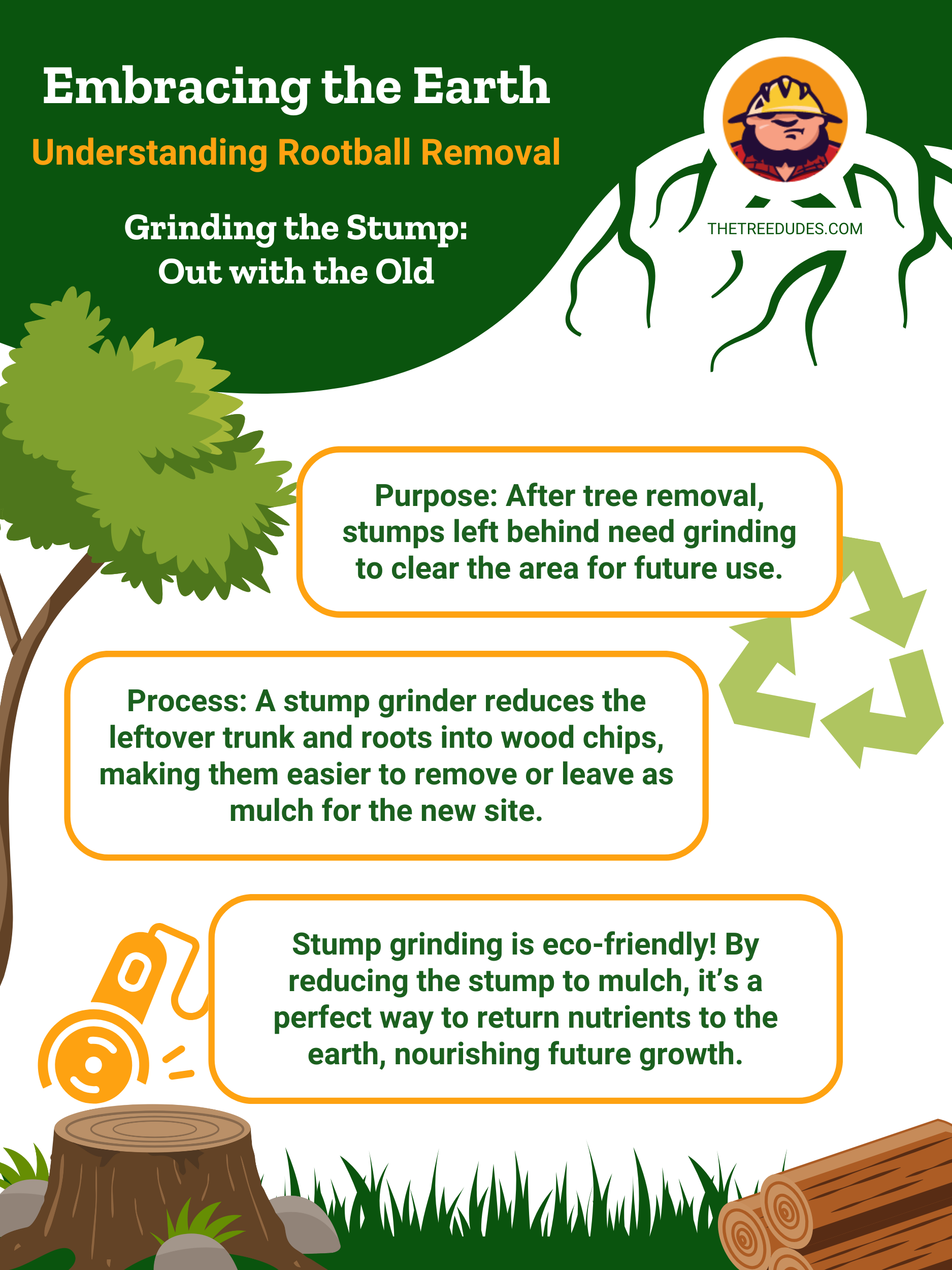
How Stump Grinding Works
Stump grinding involves using a powerful machine equipped with a rotating blade to grind down the stump until it reaches ground level. The grinder chews through the wood, turning it into small wood chips that you can often use as mulch. The process is all about getting rid of the stump, so the tree’s roots stay buried in the ground.
Pros of Stump Grinding
- Less Invasive: Stump grinding is a relatively non-invasive procedure. Since it doesn’t disturb the roots underground, it requires less digging and generally doesn’t damage nearby structures or landscaping.
- Quicker Process: Grinding a stump takes less time than digging up the entire root system, making it a more efficient choice for those looking for a quick solution.
- Mulch Production: The wood chips produced during stump grinding can be used in your garden beds as mulch, which can help retain moisture and control weeds.
Cons of Stump Grinding
- Regrowth Potential: Since the roots remain in the ground, some types of trees can sprout new growth from the remaining root structure. While not all trees do this, it’s something to consider if regrowth would be a problem.
- Hidden Roots: Over time, the roots left behind may decay, which can cause the soil to sink and create uneven ground. This is typically a gradual process, but it can be a consideration for landscaping.
Ideal Scenarios for Stump Grinding
Stump grinding is often preferred when you want a fast, less invasive option that won’t disrupt nearby plants or structures. It’s also a good choice if you don’t mind leaving the roots to decompose naturally over time.
What Is Root Ball Removal?
Root ball removal, on the other hand, is all about taking out the whole root ball, the entire bundle of roots that spread out from the base of the stump. Unlike stump grinding, which leaves roots in the soil, root ball removal uproots the entire network.
This process is often more complex and labor-intensive but provides a clean slate, eliminating any risk of regrowth or further underground spreading. Removing the root ball is the way to go if you’re looking to replant, build, or do some landscaping in an area. It clears out all those leftover root pieces that could get in the way of your plans.
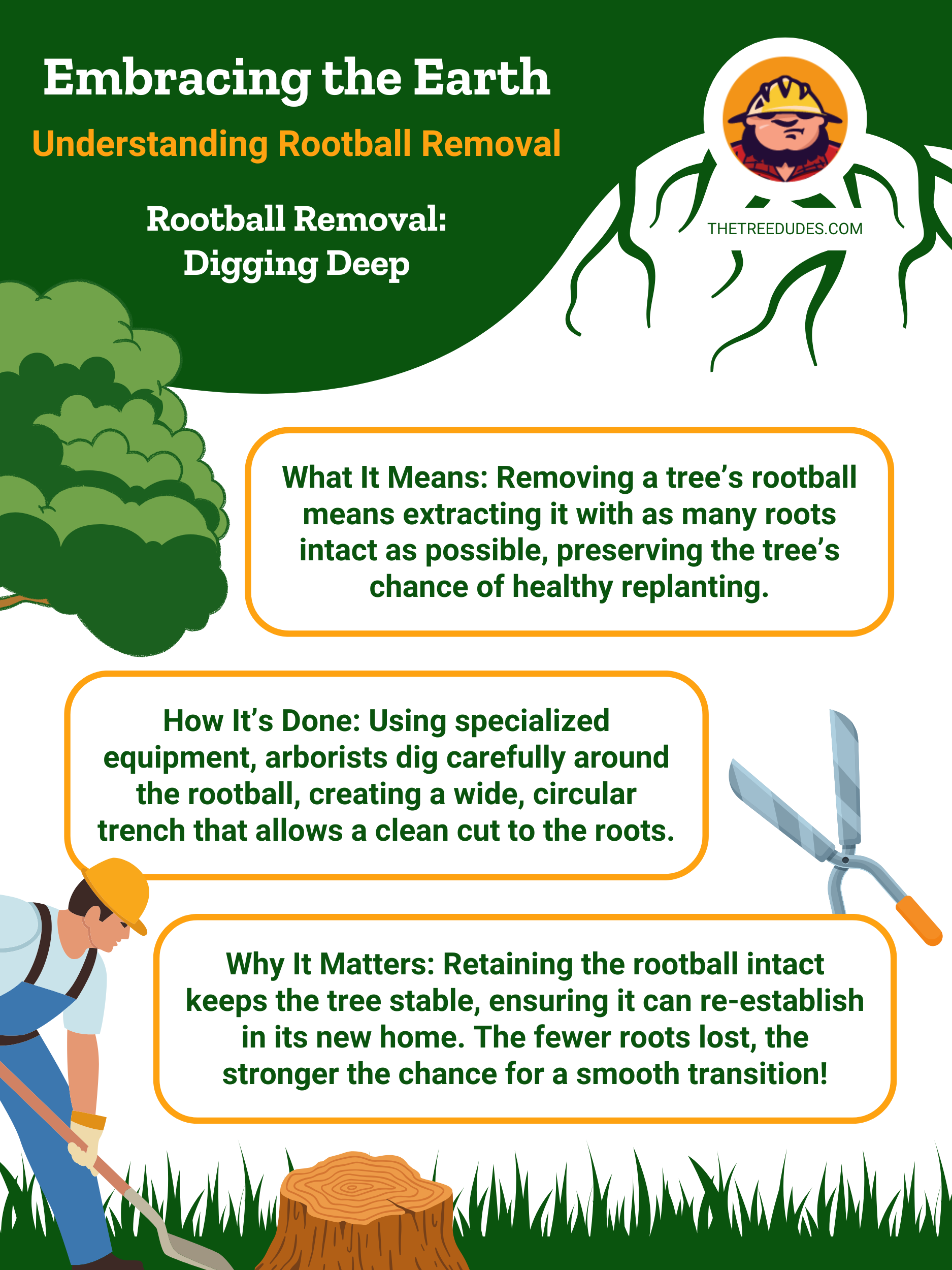
Reasons to Consider Root Ball Removal
Root ball removal is a good choice for various scenarios, especially if:
- You Plan to Replant in the Same Spot: If you’re preparing to replant, removing the entire root ball is essential to allow fresh roots to grow without obstruction.
- Structural Concerns: Large root systems can interfere with pipes, foundations, or sidewalks, making root ball removal necessary to prevent damage.
- Aesthetics and Landscaping: If the root system is visible or causing an uneven landscape, root ball removal can provide a clean, level surface.
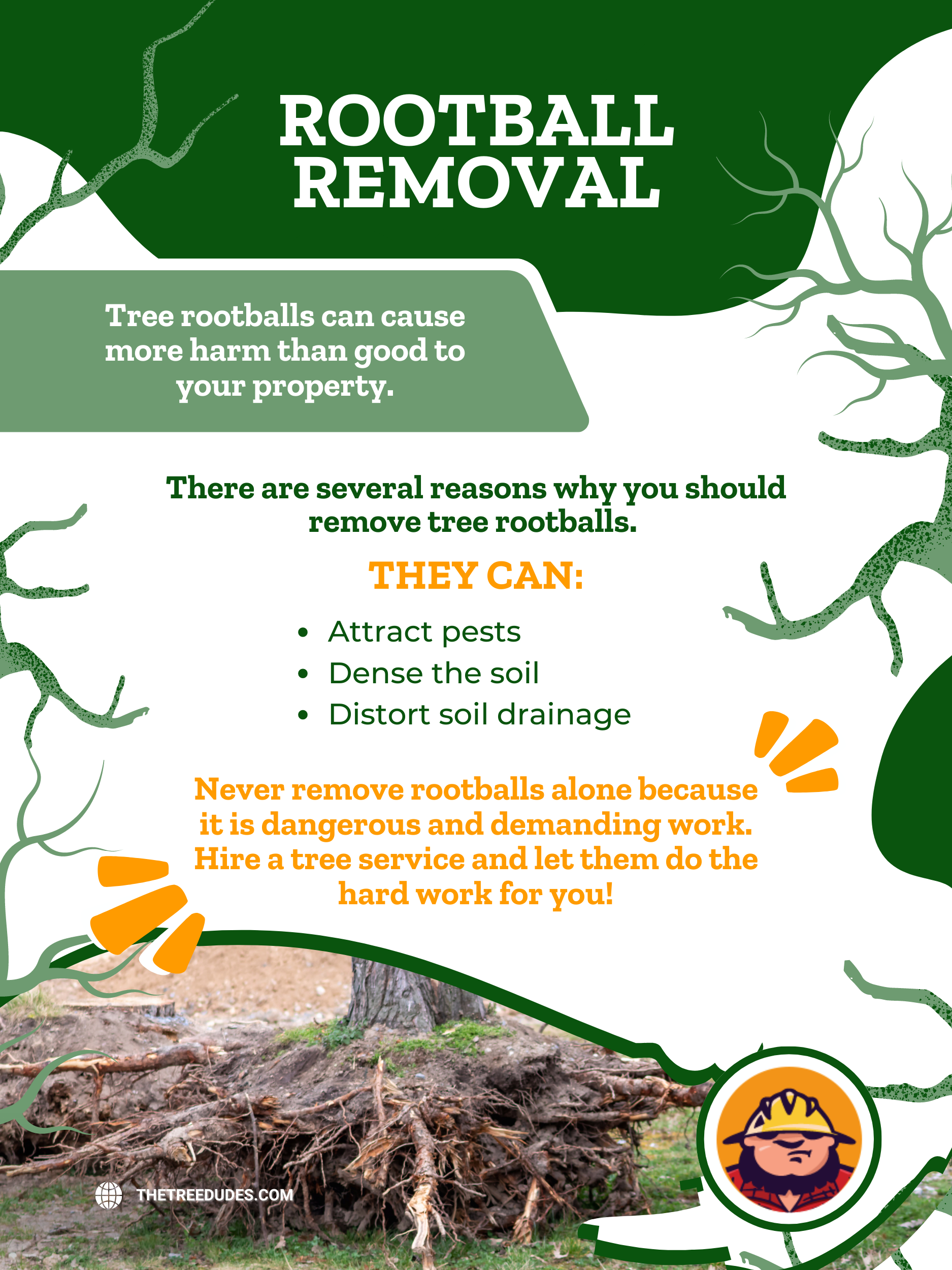
How Root Ball Removal Works
Root ball removal, sometimes called stump removal or root extraction, involves uprooting the entire root system. This is done using specialized equipment like an excavator or a root ball extraction tool. The process is more labor-intensive and requires digging around the stump to remove all root structures.
The Process of Root Ball Removal
Professional root ball removal begins with a thorough assessment. Technicians evaluate the size, depth, and spread of your tree’s root system, taking note of any nearby structures or utilities that may be affected. This ensures that the removal process proceeds safely and effectively.
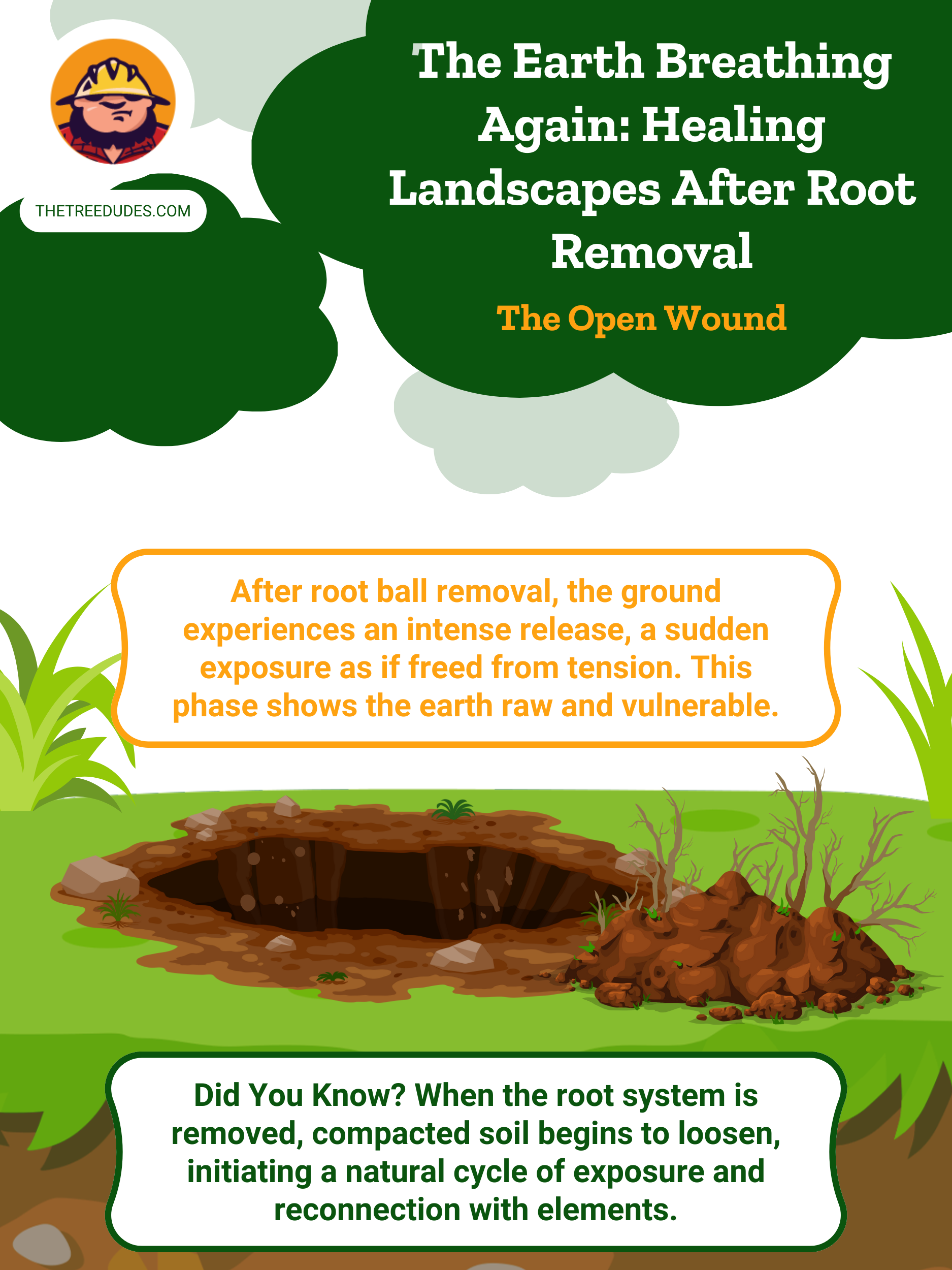
Excavation
Excavation often requires digging around the root ball, either manually or with machinery. This is a labor-intensive process, as the root system can span several feet in any direction. When necessary, specialists will carefully cut through roots, creating manageable sections for removal.
Lifting the Root Ball
Once the root ball has been sufficiently loosened, it can be lifted from the ground. This can be done by hand for smaller trees, but larger root balls may require a crane or other lifting equipment. After the root ball is removed, the site is typically cleaned and leveled.
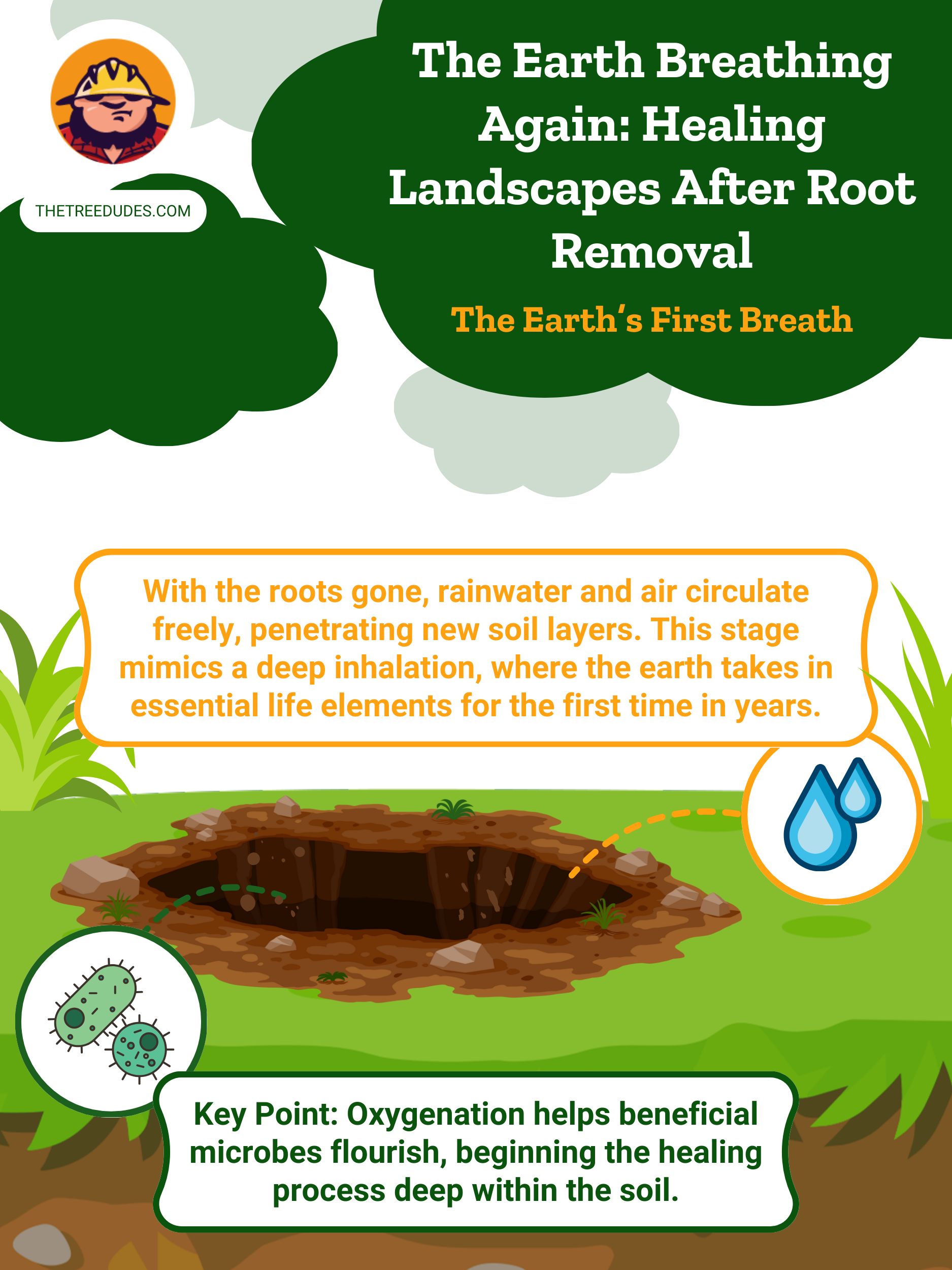
The leftover hole may be filled with soil or mulch, depending on your landscaping plans.
Pros of Root Ball Removal
When you take out the whole root ball, you stop the tree from growing back later, so it won’t sprout up again. If you’re planning to replant in the same area or have construction projects, root ball removal is ideal because it leaves the ground clear of roots that could interfere with your plans.
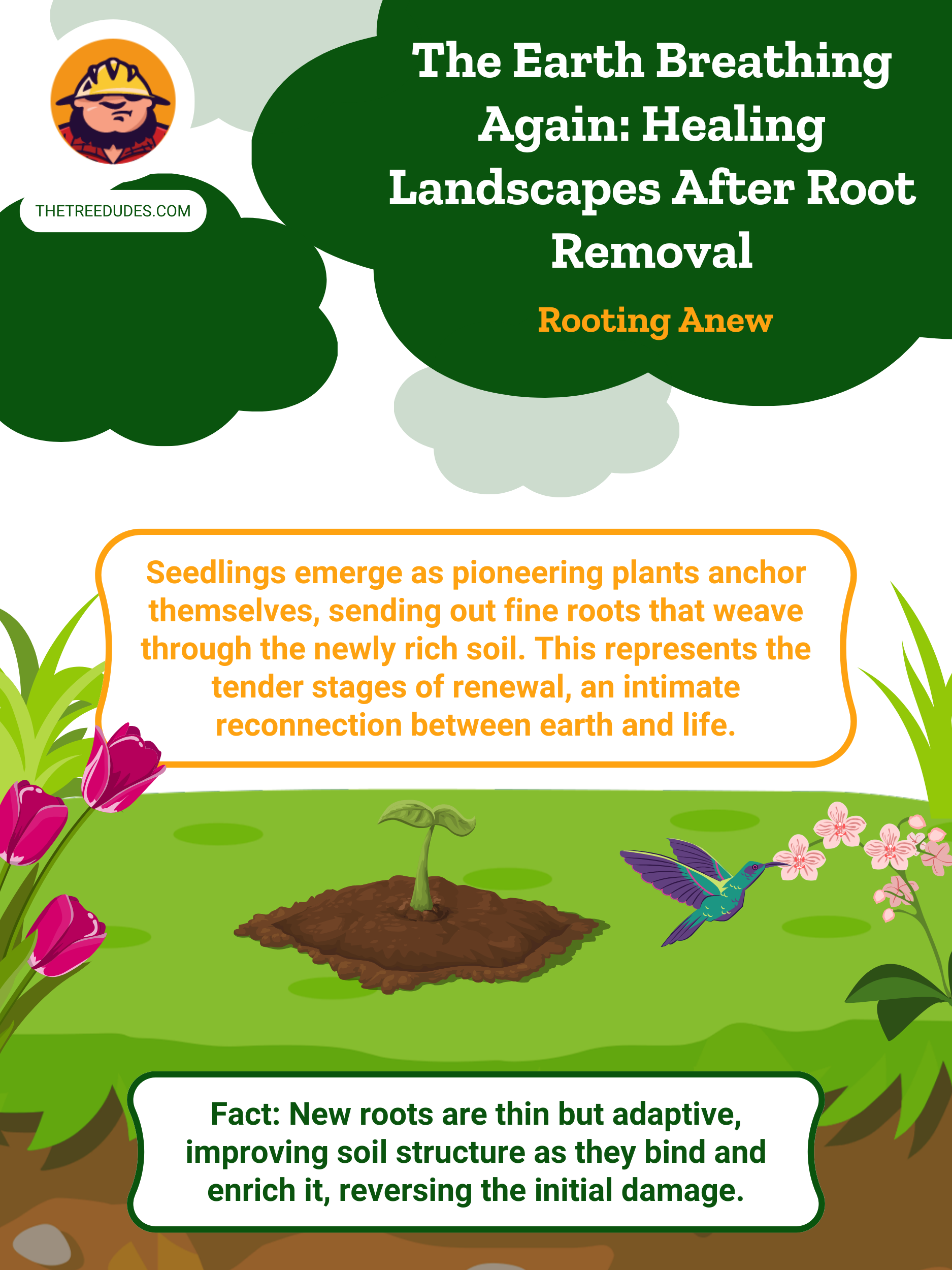
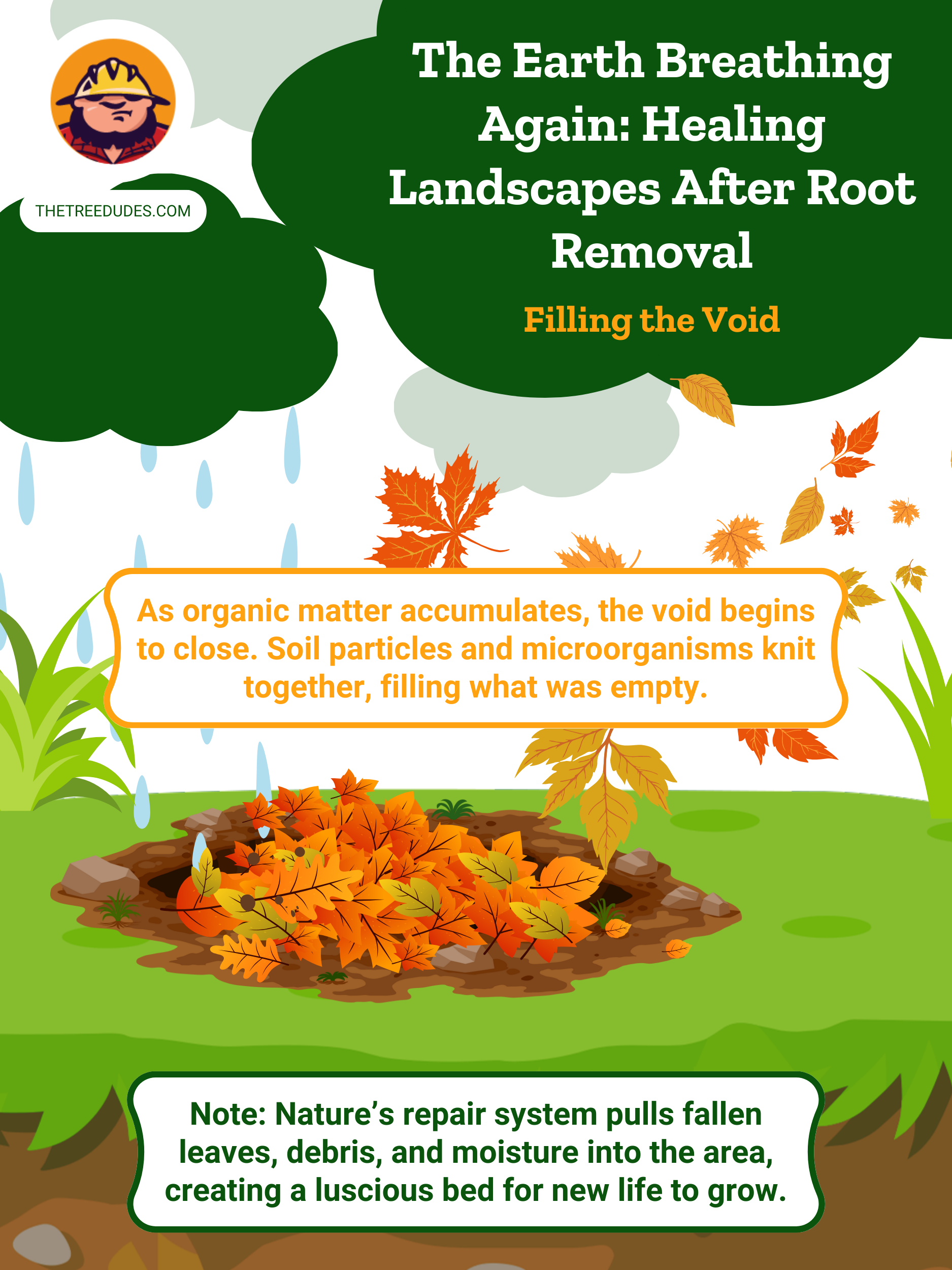
Since no roots are left to decay, there’s less risk of soil settling or sinking in the future.
Cons of Root Ball Removal
Removing the root ball disturbs a large area around the stump, which can be disruptive to nearby plants and structures. Root ball removal tends to be more expensive than stump grinding due to the amount of labor and equipment involved.
This process can take longer than stump grinding, particularly for larger trees with extensive root systems.
Ideal Scenarios for Root Ball Removal
Root ball removal is best for situations where you need a completely clear space, such as when replanting a new tree or preparing the ground for a construction project.
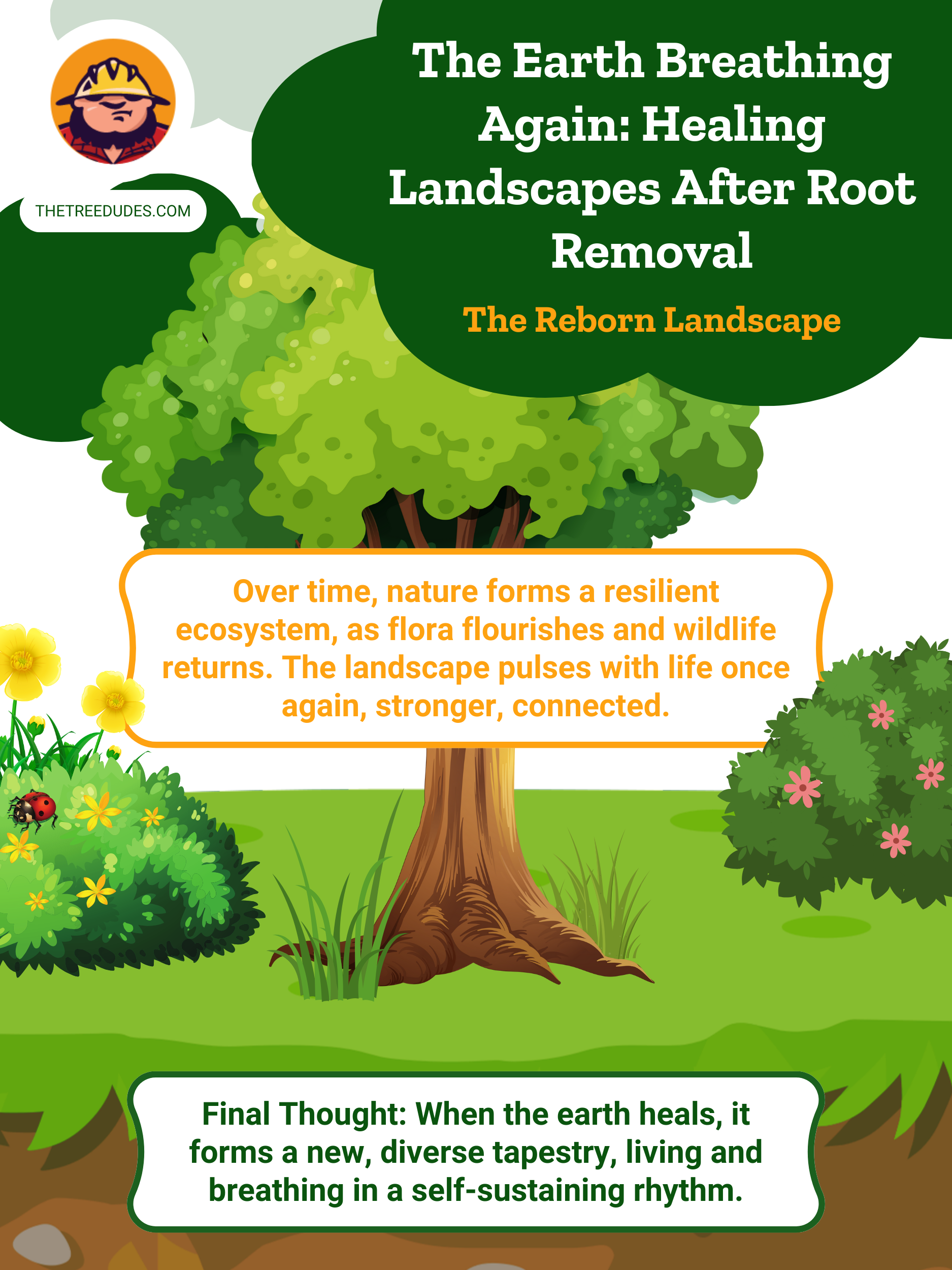
It’s also ideal if you want to eliminate any chance of regrowth or prevent roots from spreading underground.
Comparing Stump Grinding and Root Ball Removal: Which Should You Choose?
Now that you understand the basics of stump grinding and root ball removal, let’s compare the two methods to help you determine which one is right for you.
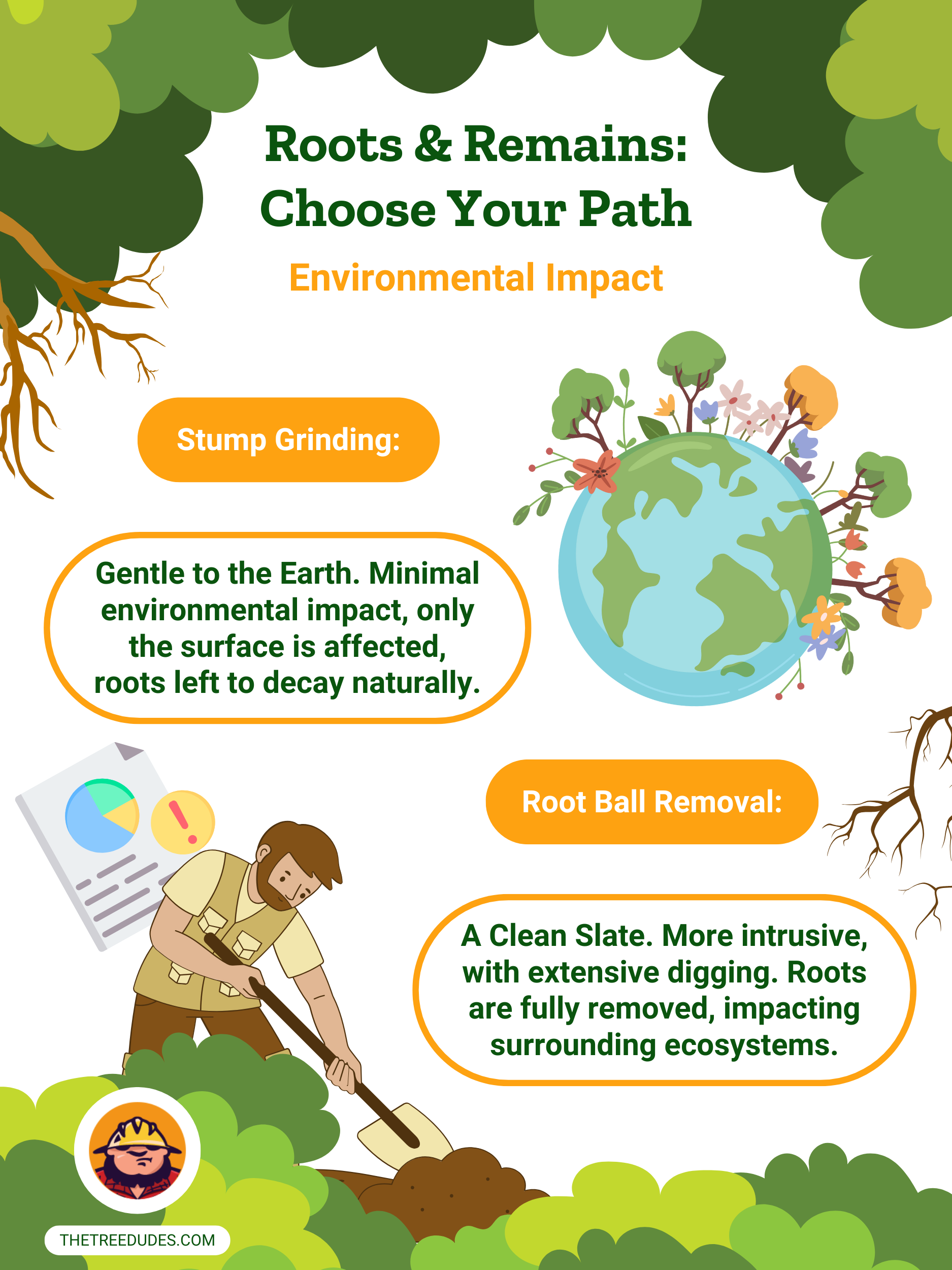
Environmental Impact
Stump Grinding: Less invasive with minimal environmental impact since the roots are left undisturbed.
Root Ball Removal: More disruptive to the soil and surrounding landscape due to extensive digging.
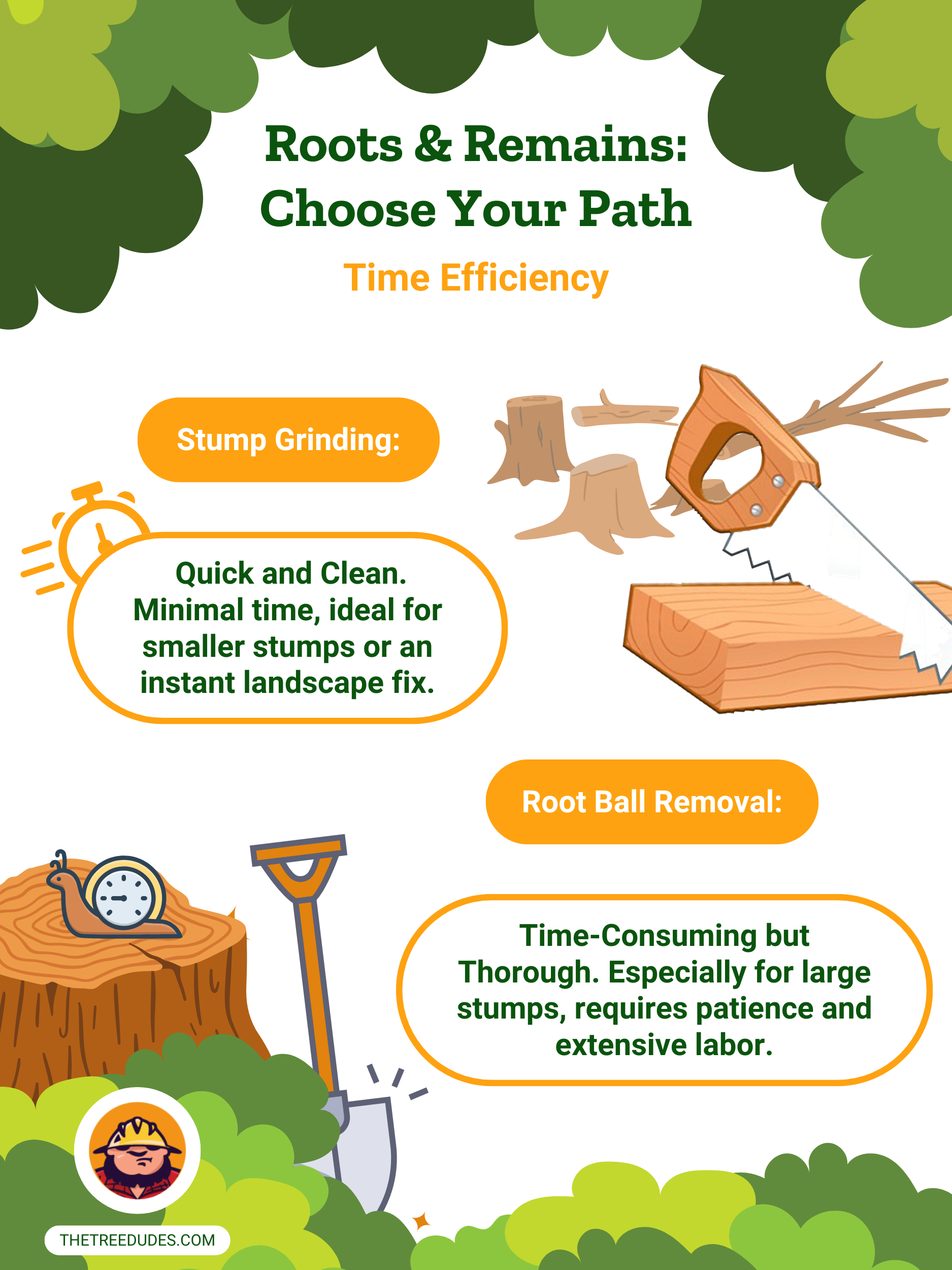
Time Efficiency
Stump Grinding: Faster and typically requires less time on-site, especially beneficial for small stumps.
Root Ball Removal: More time-consuming, especially for large stumps with deep root systems.
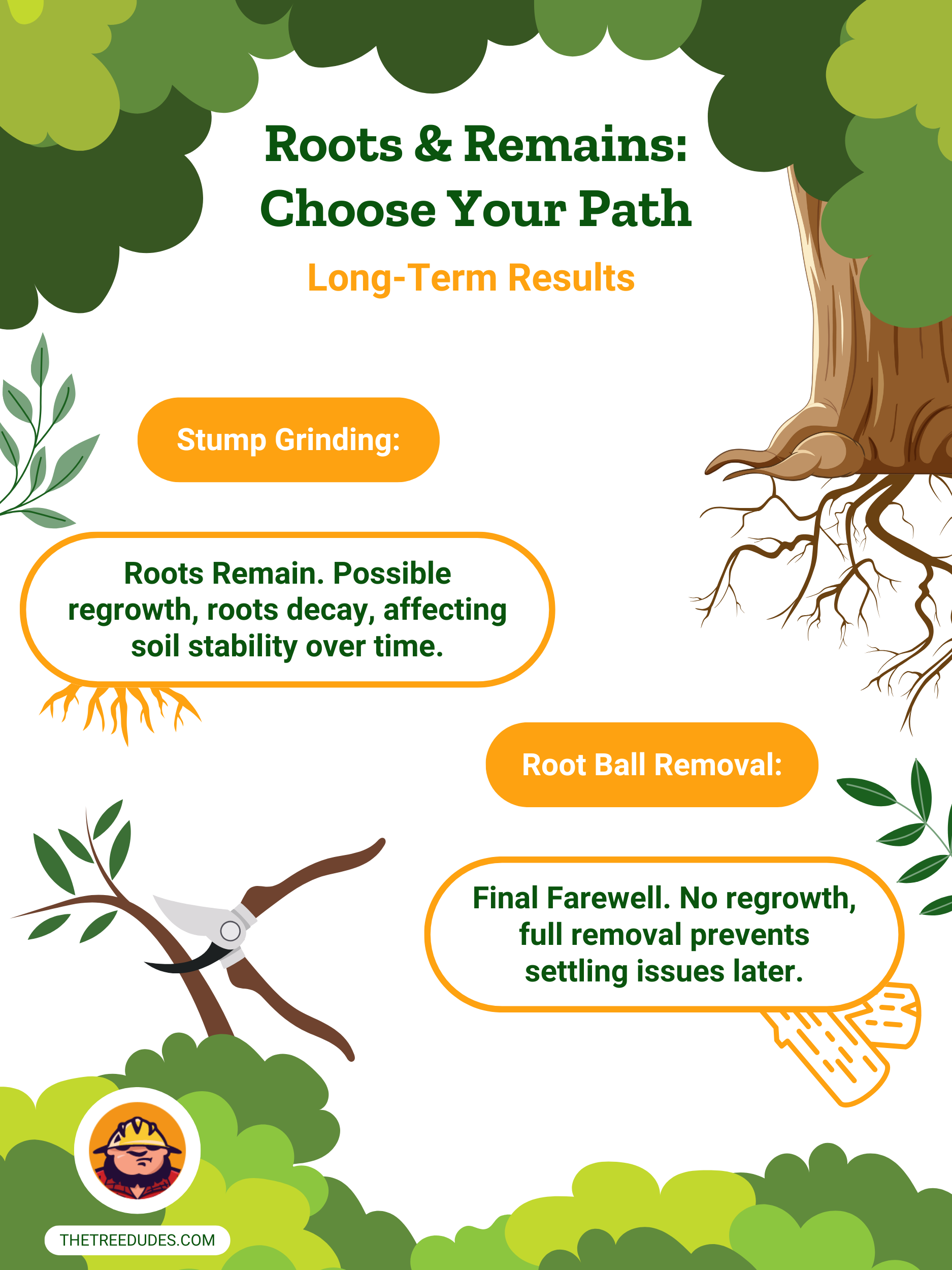
Long-Term Results
Stump Grinding: This may lead to regrowth in certain tree species, and decaying roots can affect soil stability over time.
Root Ball Removal: Provides a permanent solution, eliminating regrowth and potential soil settling issues.
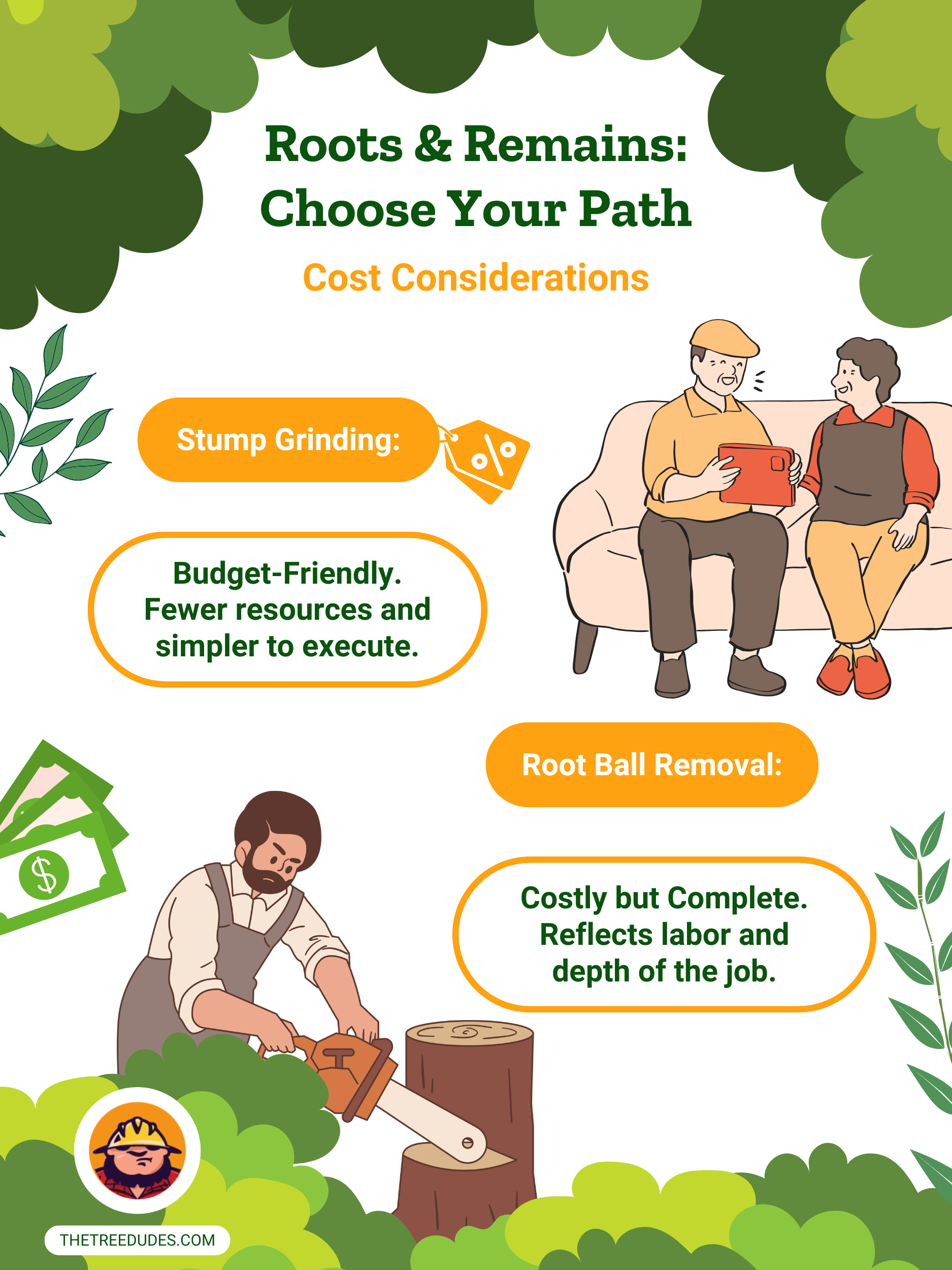
Cost Considerations
Stump Grinding: Generally more affordable due to the simplicity of the process.
Root Ball Removal: More costly, reflecting the additional labor and equipment needed.
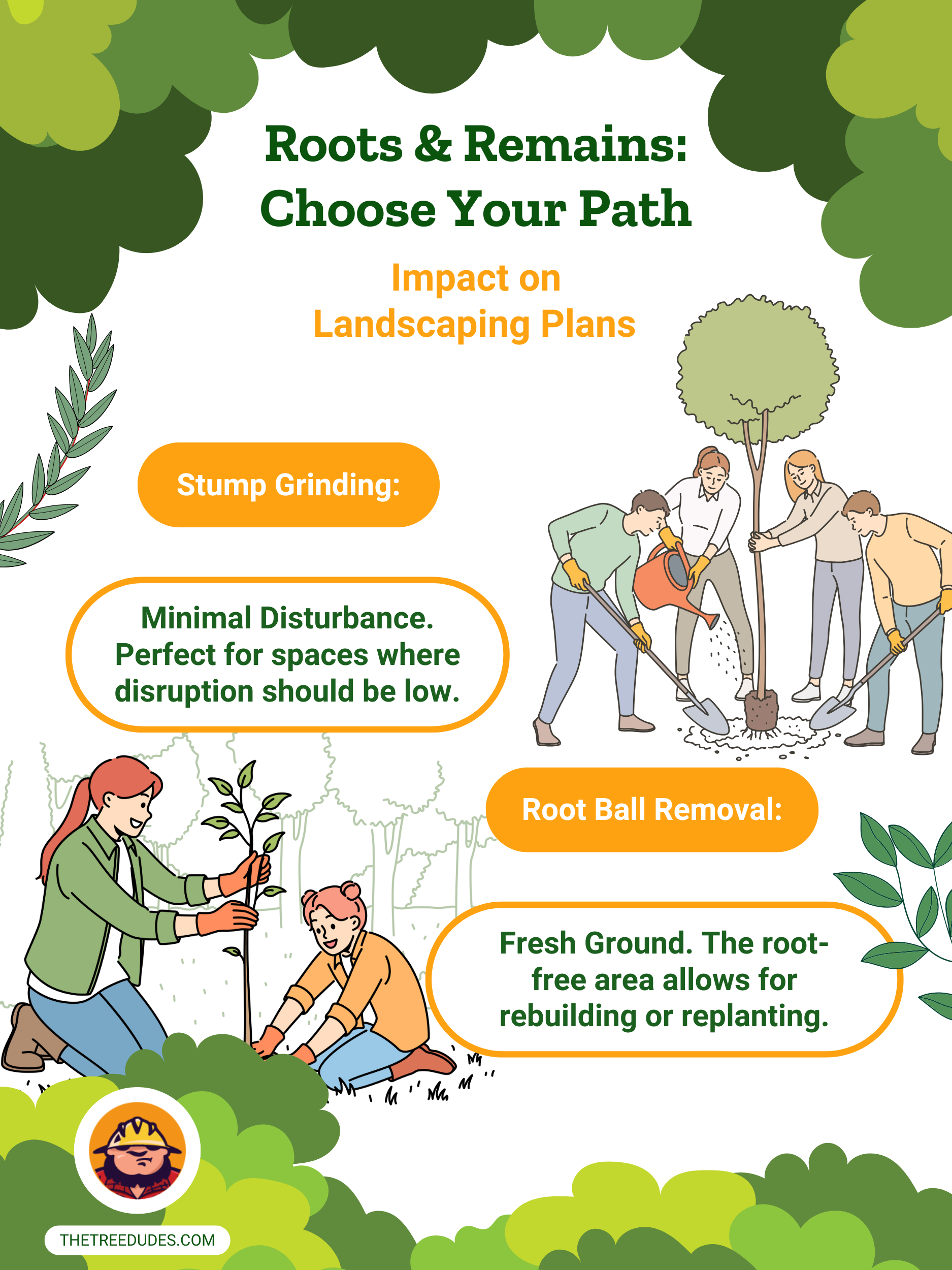
Impact on Landscaping Plans
Stump Grinding: Suitable for areas where minimal disturbance is desired.
Root Ball Removal: Ideal if you plan to replant or build in the same area, as it leaves the ground root-free.
Choosing Between Stump Grinding and Root Ball Removal for Different Types of Trees
The species of tree can influence your choice between stump grinding and root ball removal. Here are some factors to consider based on common tree types:
- Deciduous Trees: Some deciduous trees are prone to regrowth. If you’re dealing with species like poplar or willow, which can regenerate from remaining roots, root ball removal may be a better option.
- Evergreen Trees: Evergreen trees generally don’t regrow from stumps, so stump grinding might be sufficient.
- Fruit Trees: Fruit tree stumps can sometimes attract pests if not fully removed. For fruit-bearing trees, root ball removal ensures no residual material attracts insects or fungi.
Why Hire a Professional?
Root ball removal involves using powerful equipment, such as stump grinders and excavators, to remove stubborn root systems from the ground. With the proper training, operating these machines can be safe. Professionals are trained to handle this machinery safely, reducing the risk of accidents and injuries.
Plus, reputable services are insured, which means any mishap on-site is covered, so you’re protected from liability.
Efficiency: Let Professionals Do the Hard Work
If you’re not a professional, removing a root ball can be a lengthy process. Between digging, cutting roots, and maneuvering around obstacles, it can take days, if not weeks, for an untrained weak individual.
Professionals, on the other hand, can tackle this job with speed and precision. Their experience allows them to anticipate and solve issues quickly, meaning they can often complete the job in a fraction of the time it would take an inexperienced person.
Equipment Costs: Don’t Let Expensive Rentals Drain Your Budget
To perform root ball removal effectively, you’ll need access to heavy-duty equipment, which can be expensive to rent or purchase. Tree services come fully equipped, and their team is skilled in using tools that ensure the job is done right the first time, saving you from the financial burden of machinery rentals.
One of the biggest challenges with DIY root ball removal is the equipment. Removing a root ball thoroughly often requires several specialized tools, including:
- Stump Grinders: These are used to grind down roots and stumps, breaking them apart to make removal easier.
- Excavators and Backhoes: Larger root balls may require this type of machinery to break them free from the soil.
- Chainsaws and Root Saws: These help in cutting through stubborn roots that won’t come loose.
Renting or purchasing these tools can be costly, especially if you only need them for one job. By hiring professionals, you gain access to top-of-the-line equipment without the expense or hassle of rentals. They arrive on-site fully equipped, ready to handle any challenges the root ball presents.
Peace of Mind: Thorough Removal with No Risk of Regrowth
When root balls aren’t obliterated, there’s a risk of regrowth, as small roots left behind can still draw nutrients and water from the soil. Incomplete removal can also leave the area uneven and difficult to use for future projects.
Professionals ensure thorough root removal, so you don’t have to worry about future issues. We know the techniques to completely clear the root ball, leaving a smooth, level space behind that’s ready for whatever plans you have next.
Choosing the Right Tree Service Provider
Not all tree services are created equal, so it’s essential to choose a provider with the right credentials and experience. Here are a few qualities to look for:
- Reputation and Reviews: Look for a company with a proven track record. Positive reviews and testimonials indicate that a company consistently delivers quality results.
- Transparency in Pricing: Reputable providers offer clear, upfront pricing so you know what to expect. Be wary of companies that don’t provide transparent estimates.
- Comprehensive Services: Choose a company that offers full-service root ball removal, including cleanup, and provides end-to-end service, ensuring your property is left clean and ready for your next project.
A Trusted Name in Florida
If you’re based in Florida, our company is an excellent choice for root ball removal, stump removal, and other tree services. Known for our commitment to quality and customer satisfaction, we have a reputation for providing reliable, thorough, and safe root ball removal. Our experienced team, combined with top-tier equipment, means you can rest easy knowing the job will be done right.


